Architecture
Oshodi Transport Interchange
- Location
- Lagos, Nigeria
- Year
- 2018–2019
- Scope
- Contribution to the steel construction work, engineering preparation and transport logistics
Details pending confirmation by NOE

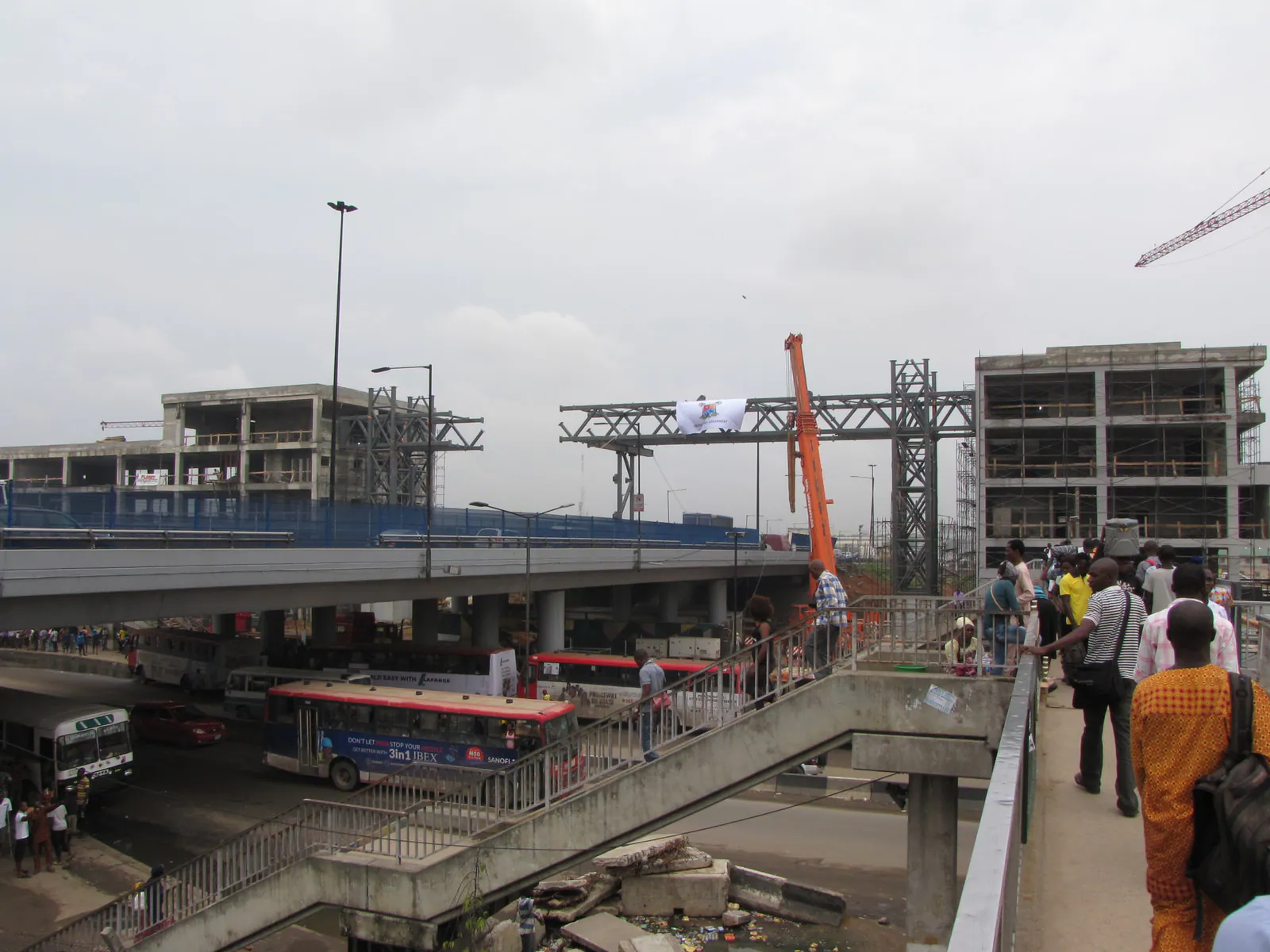
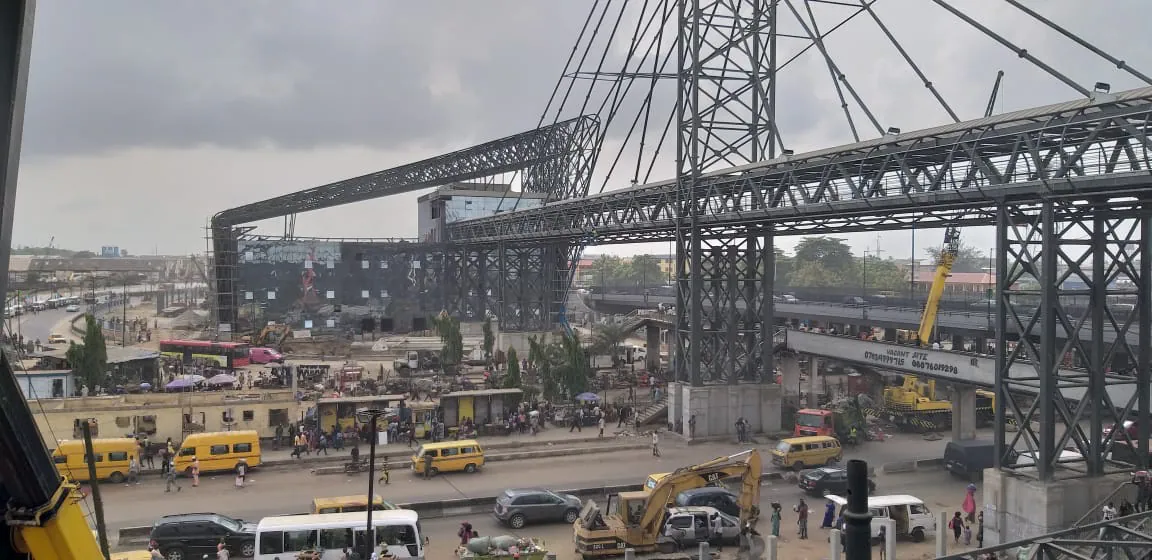
Oshodi was already one of Lagos’s busiest transport areas before the interchange was redeveloped. Traffic was heavy, bus facilities were scattered, and getting around on foot was often difficult. Any major construction work here had to deal with that from day one. The roads couldn’t simply be cleared and the city put on hold.
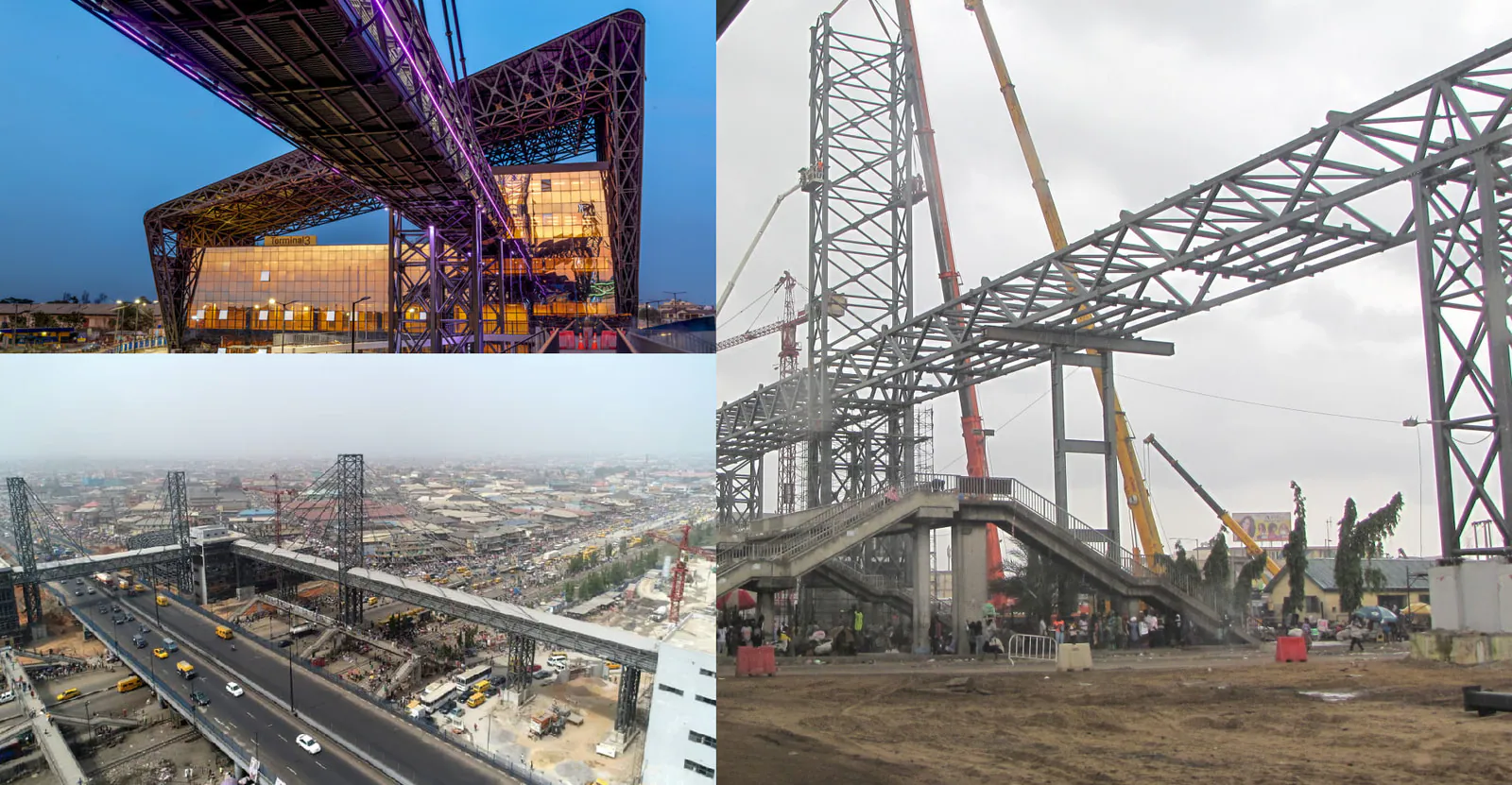
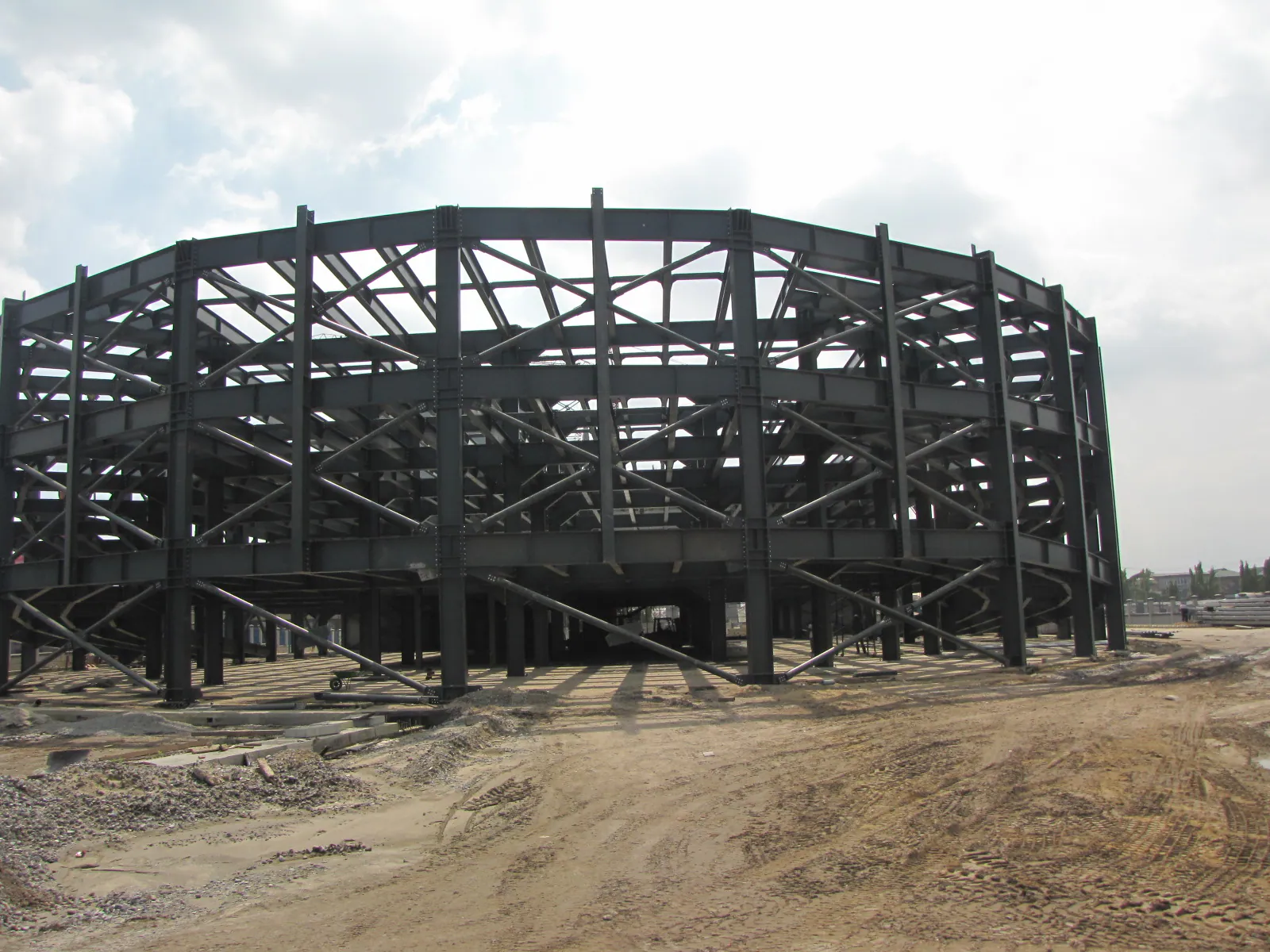
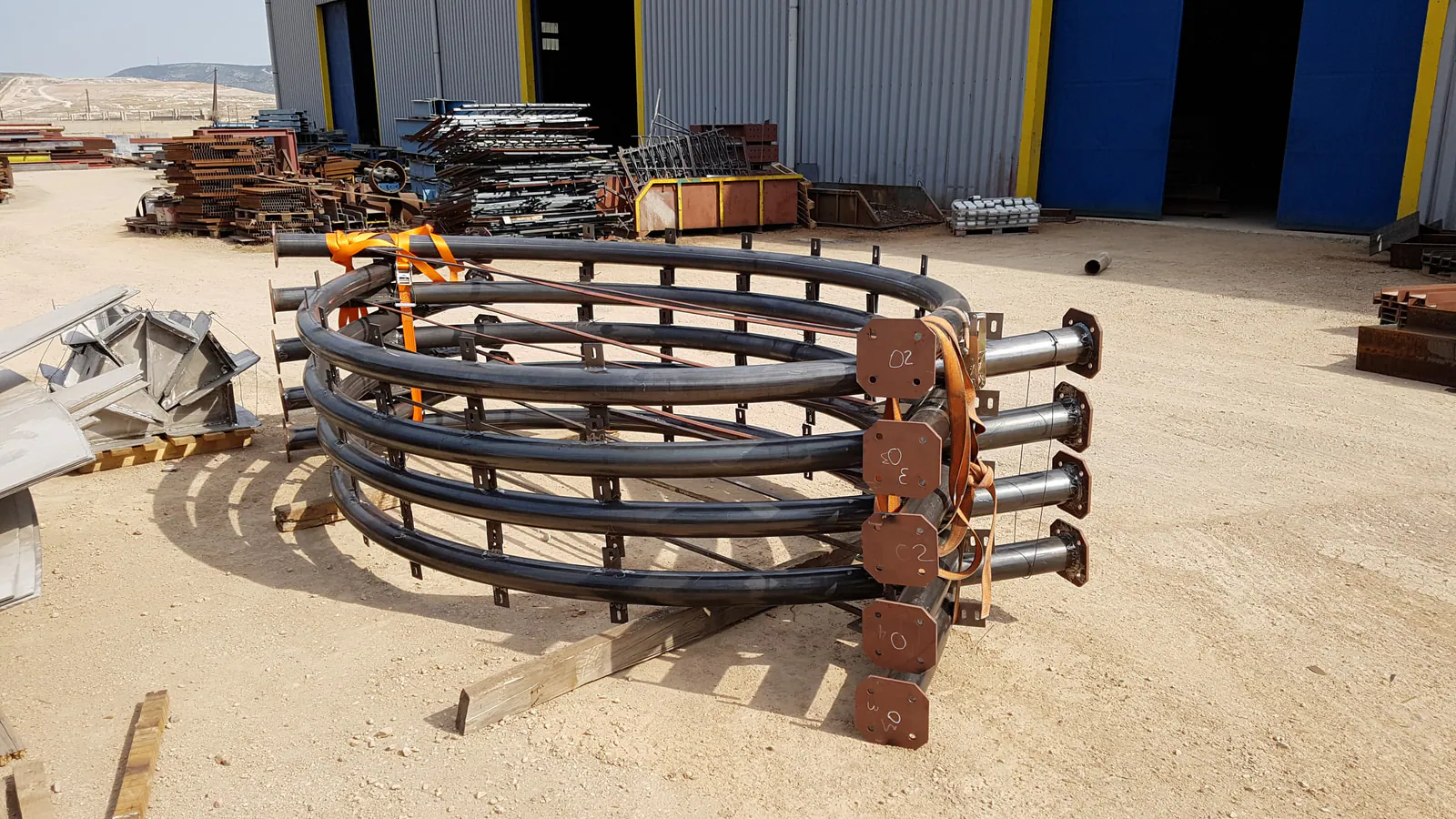
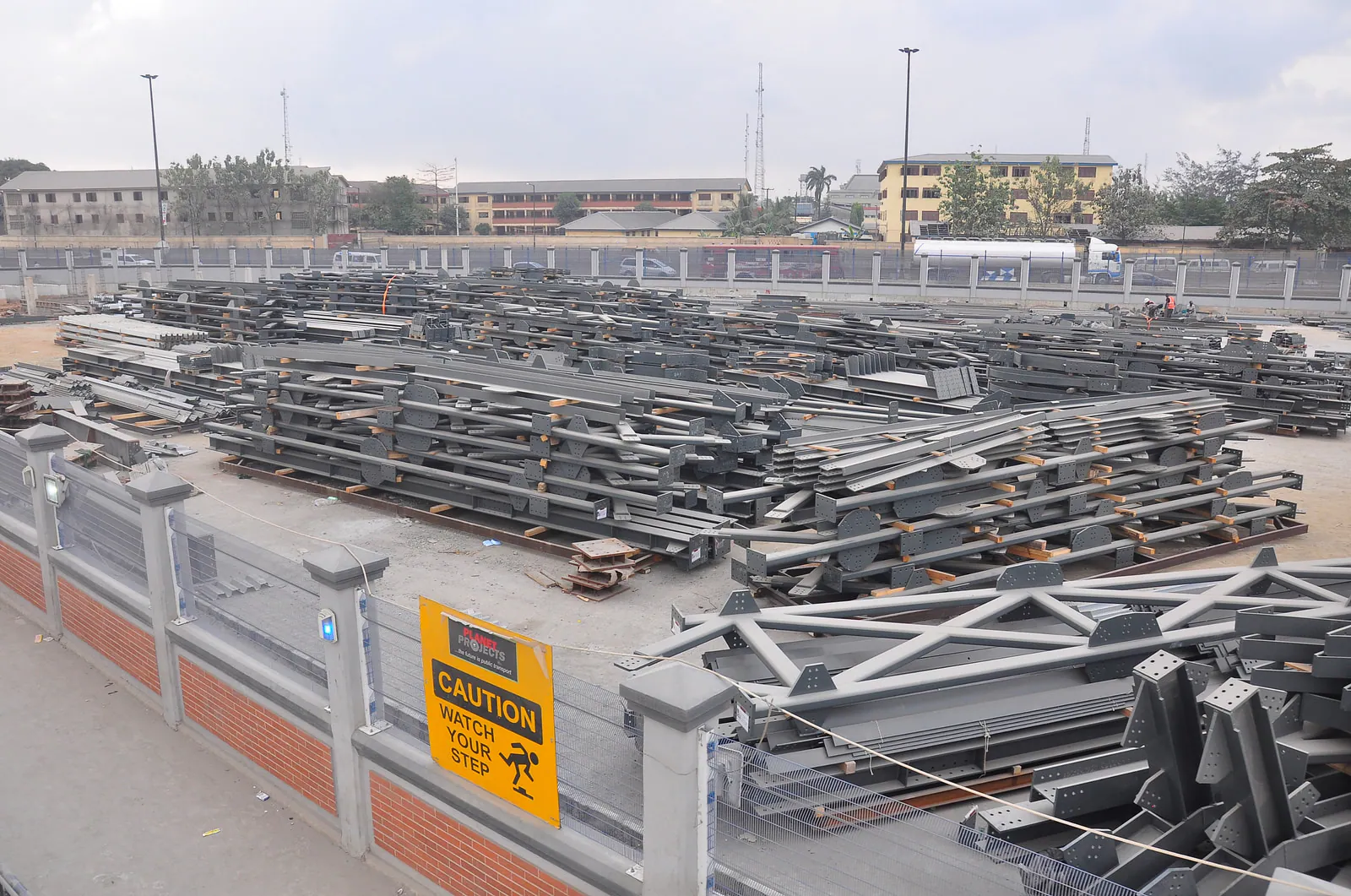
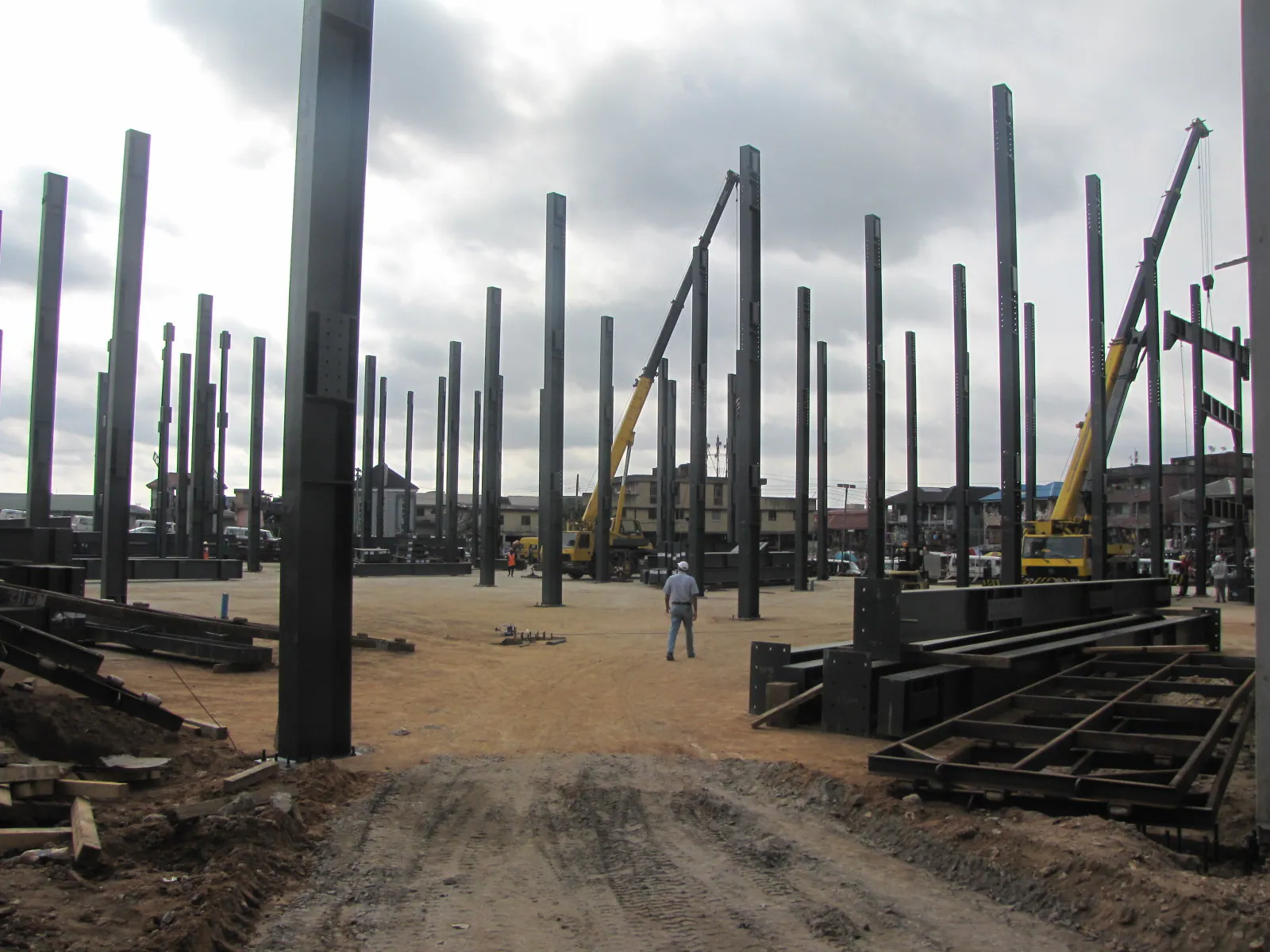
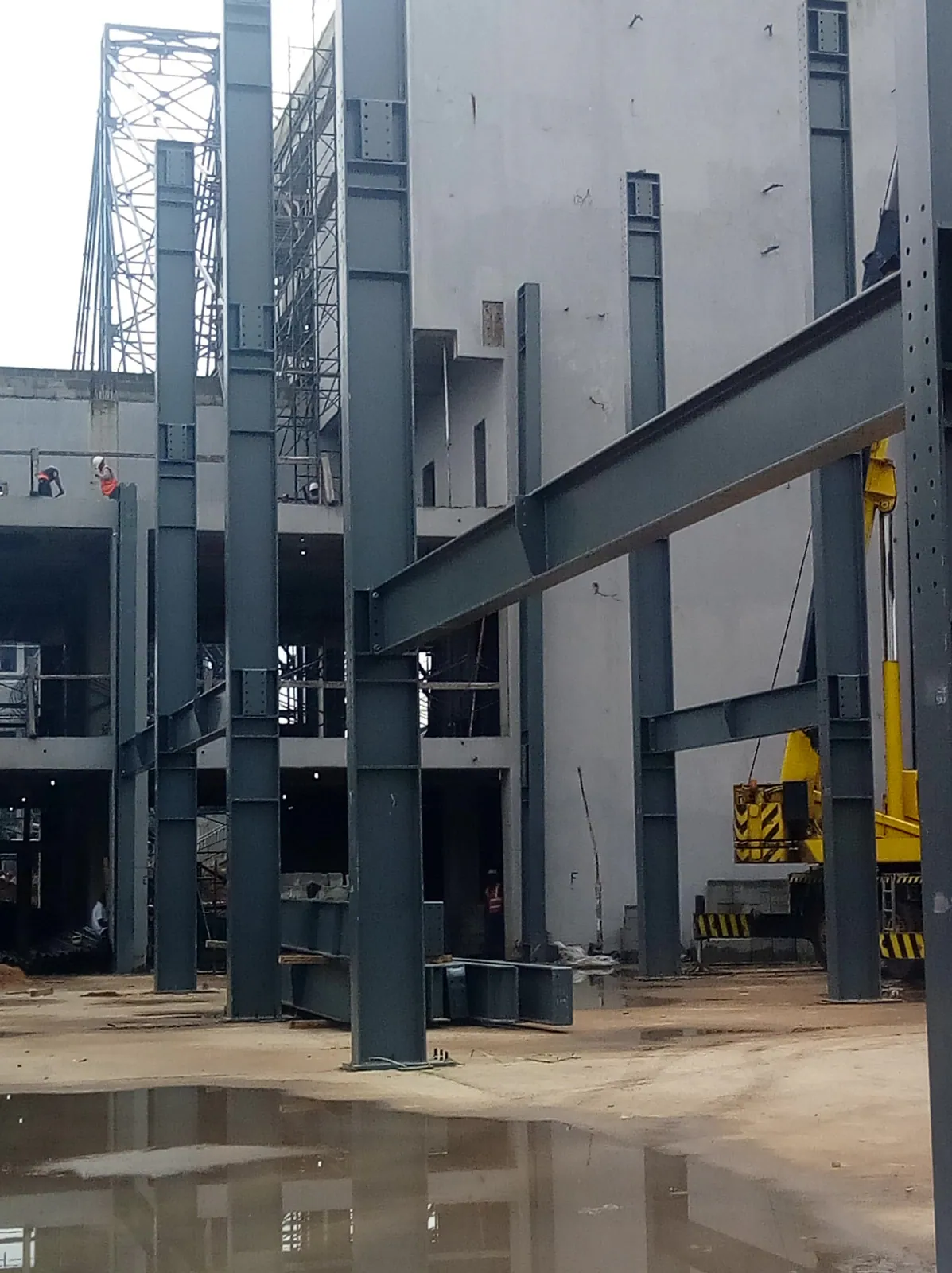
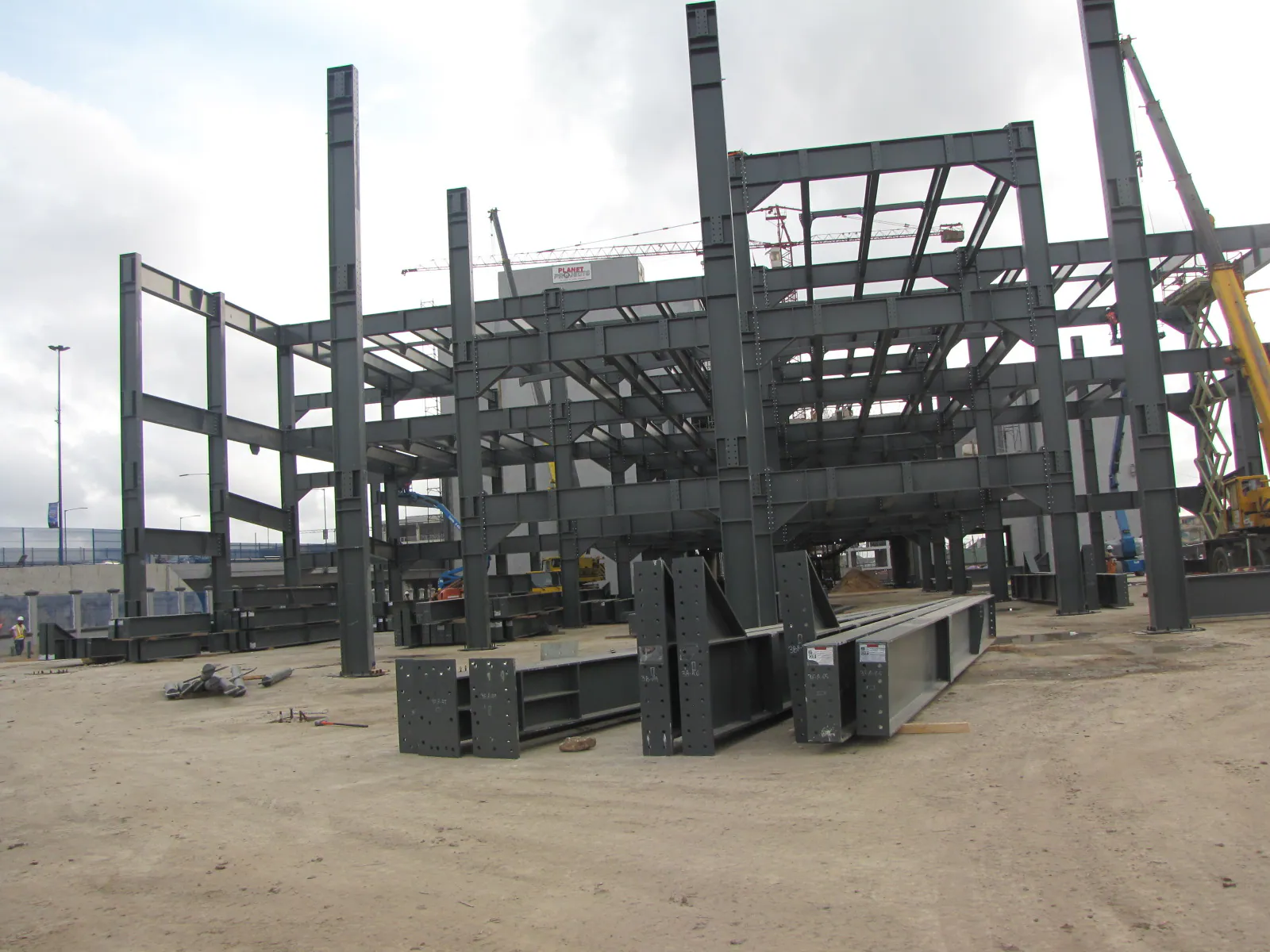
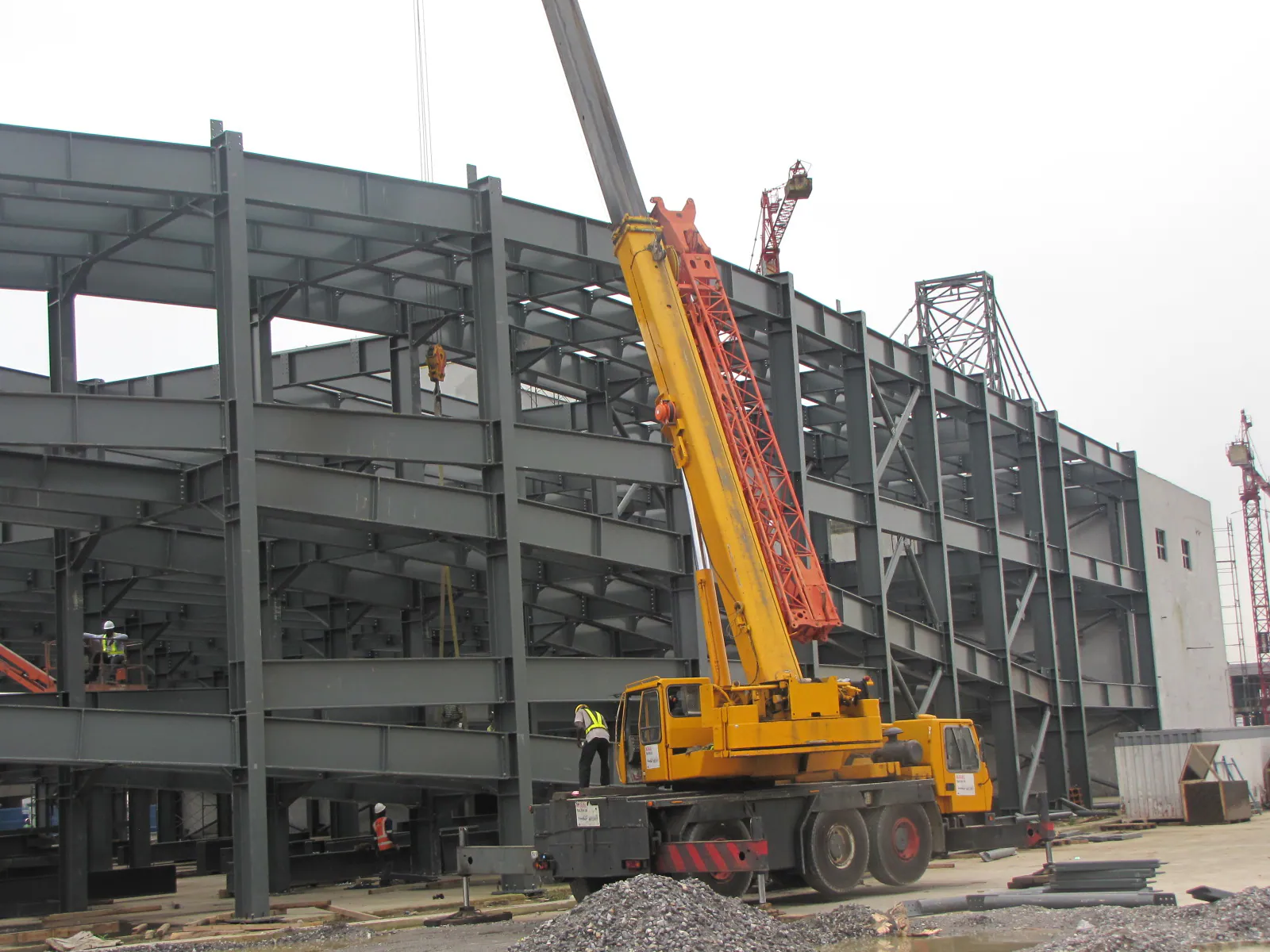
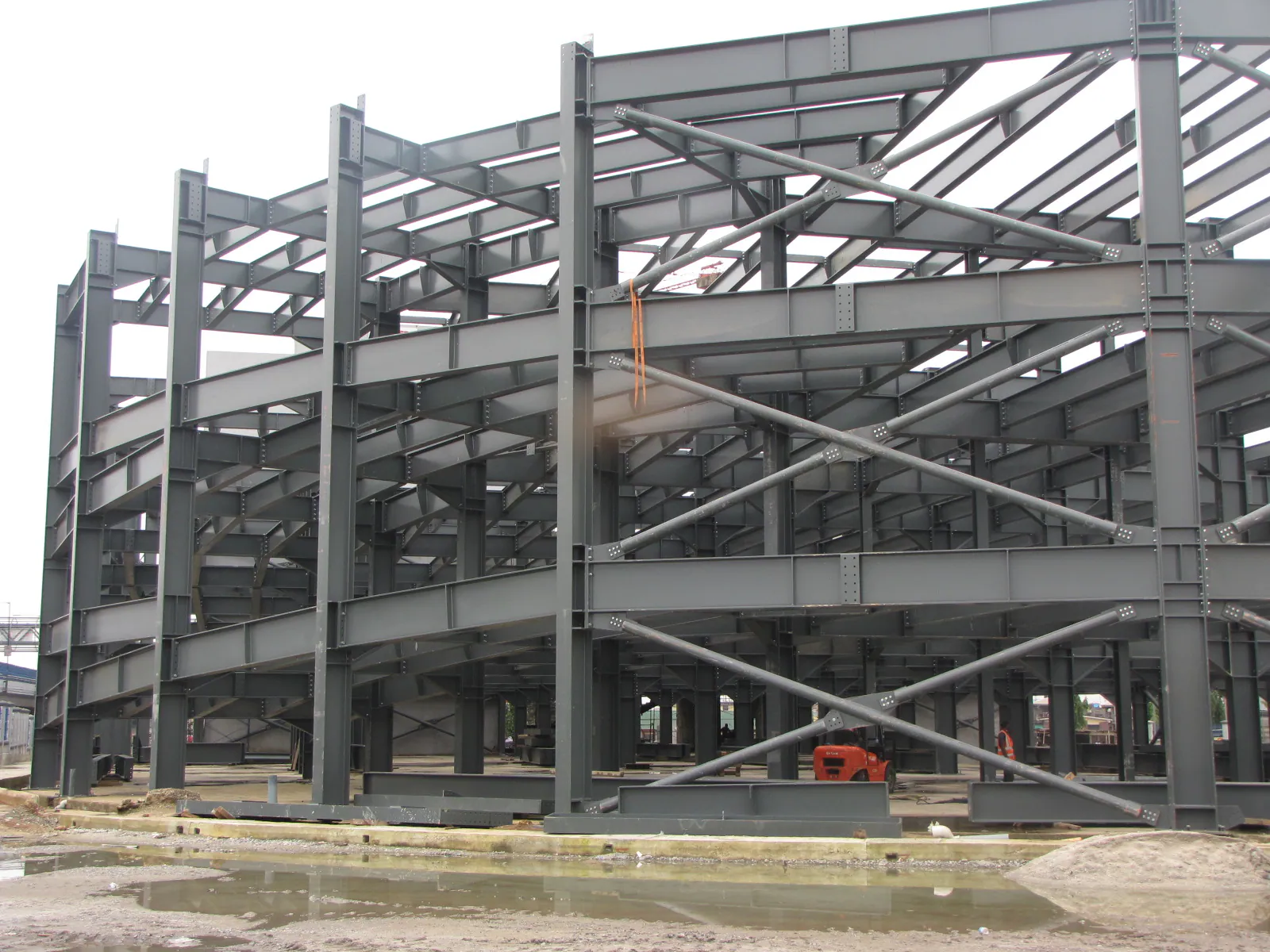
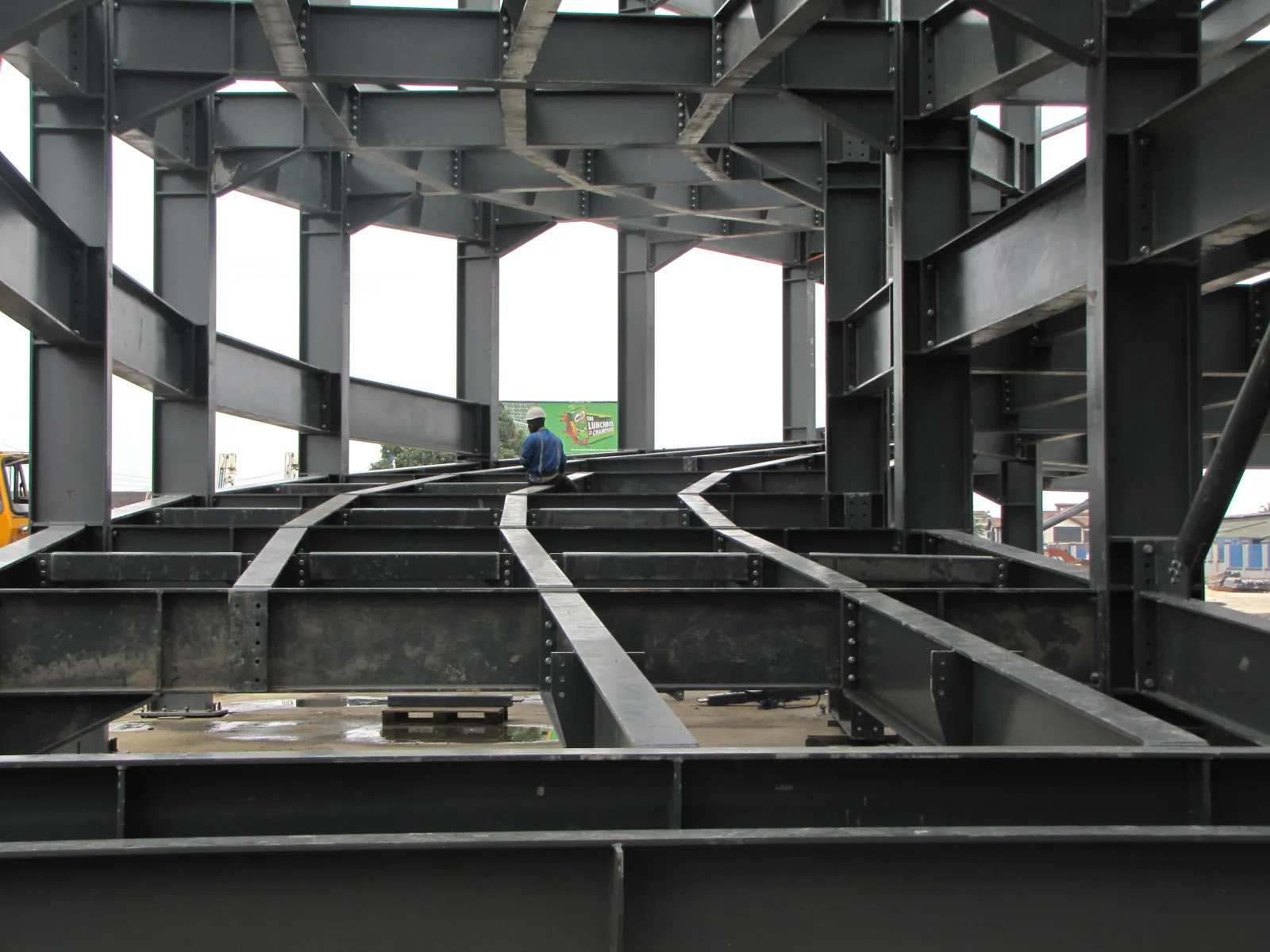
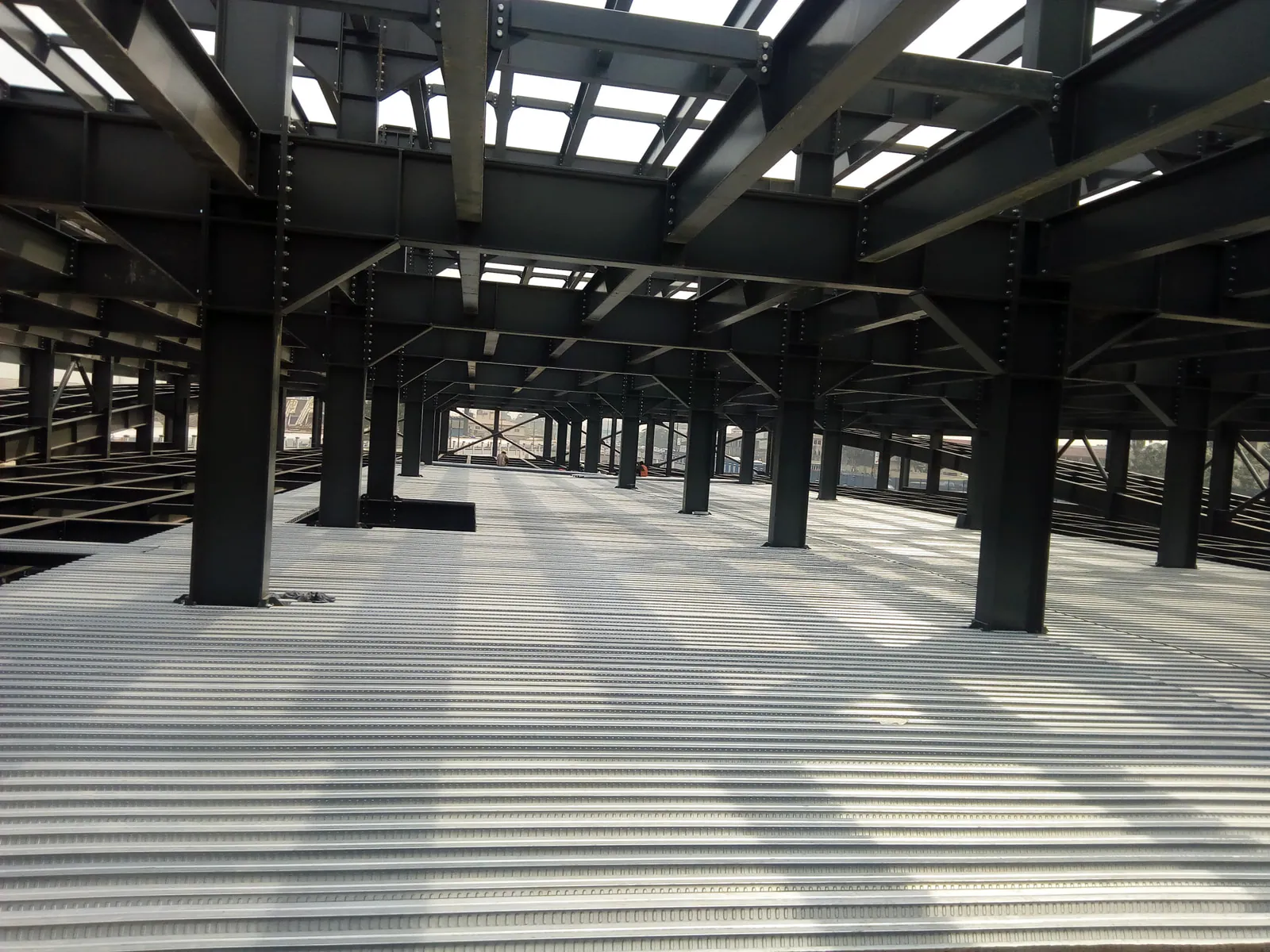
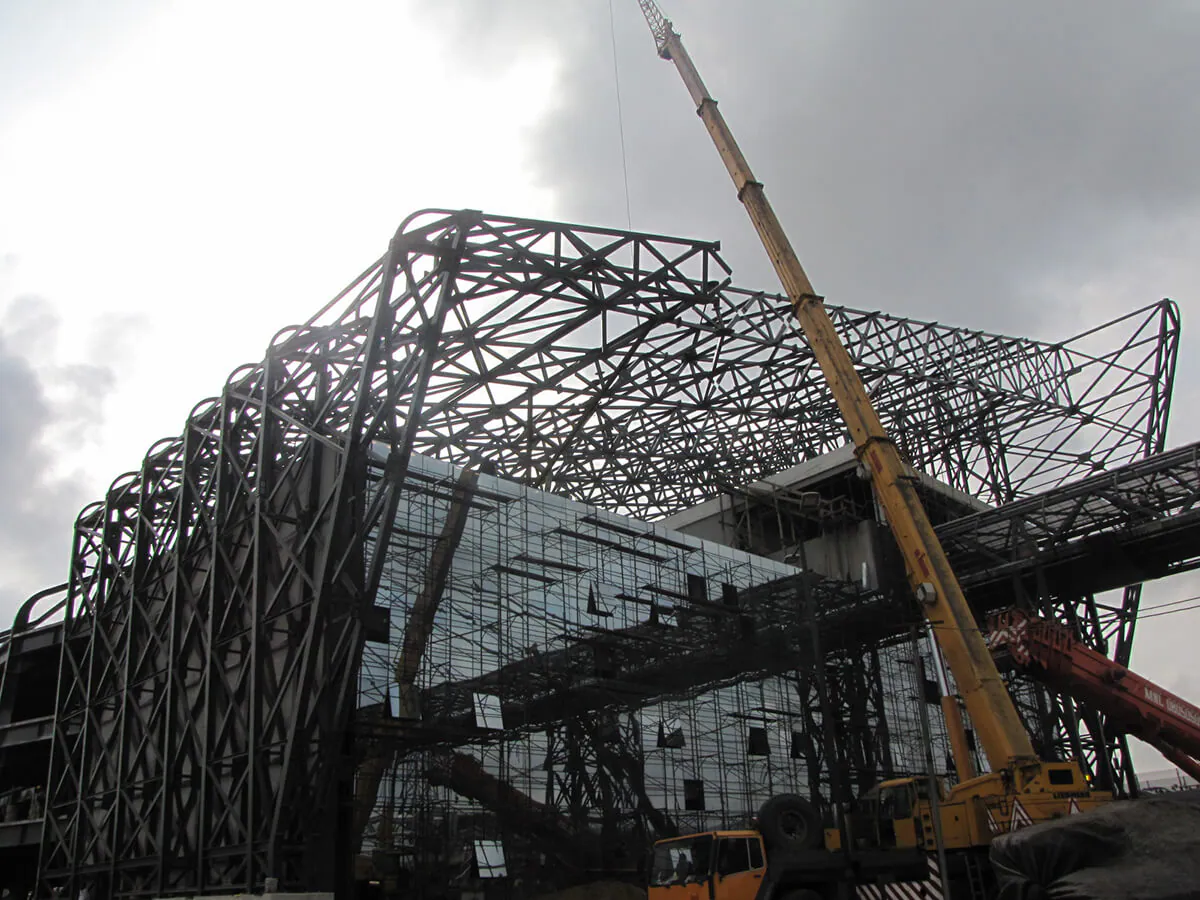
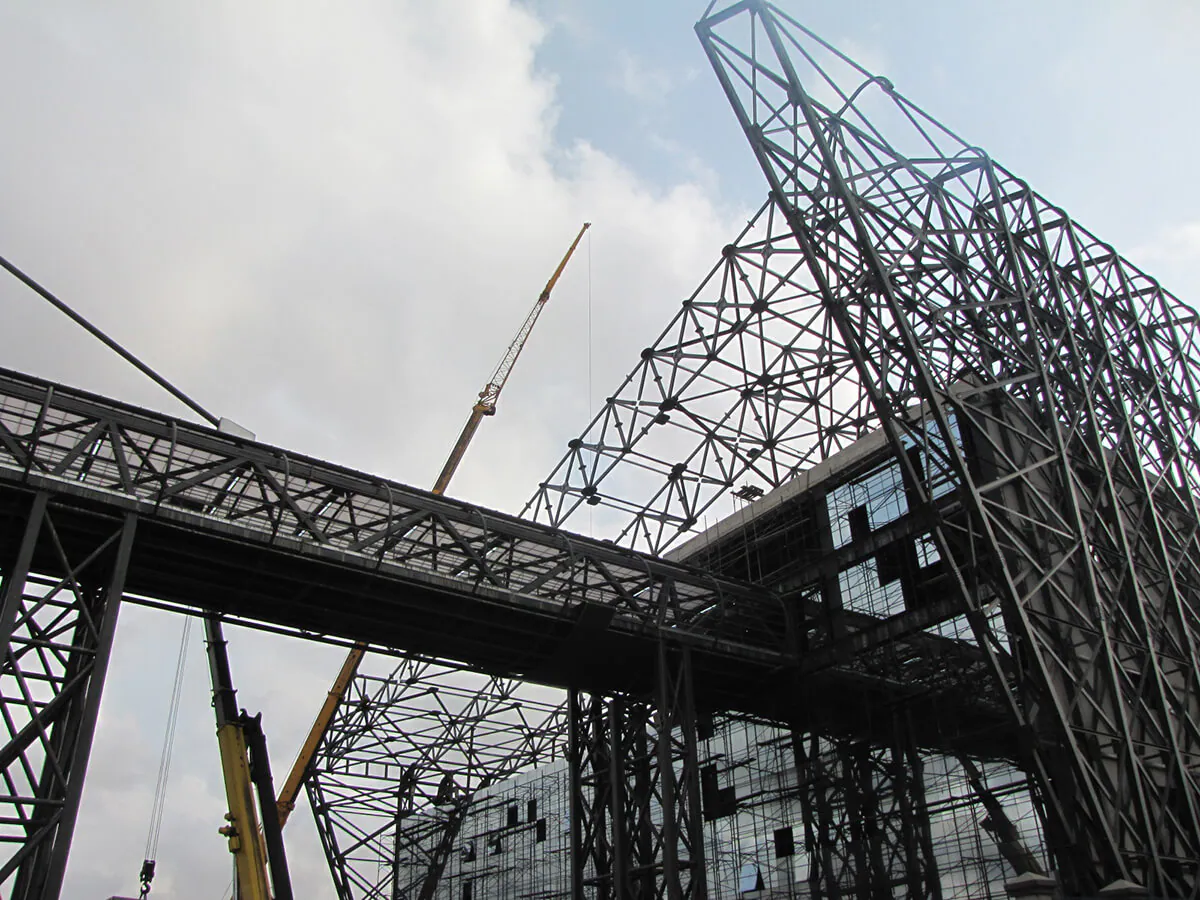
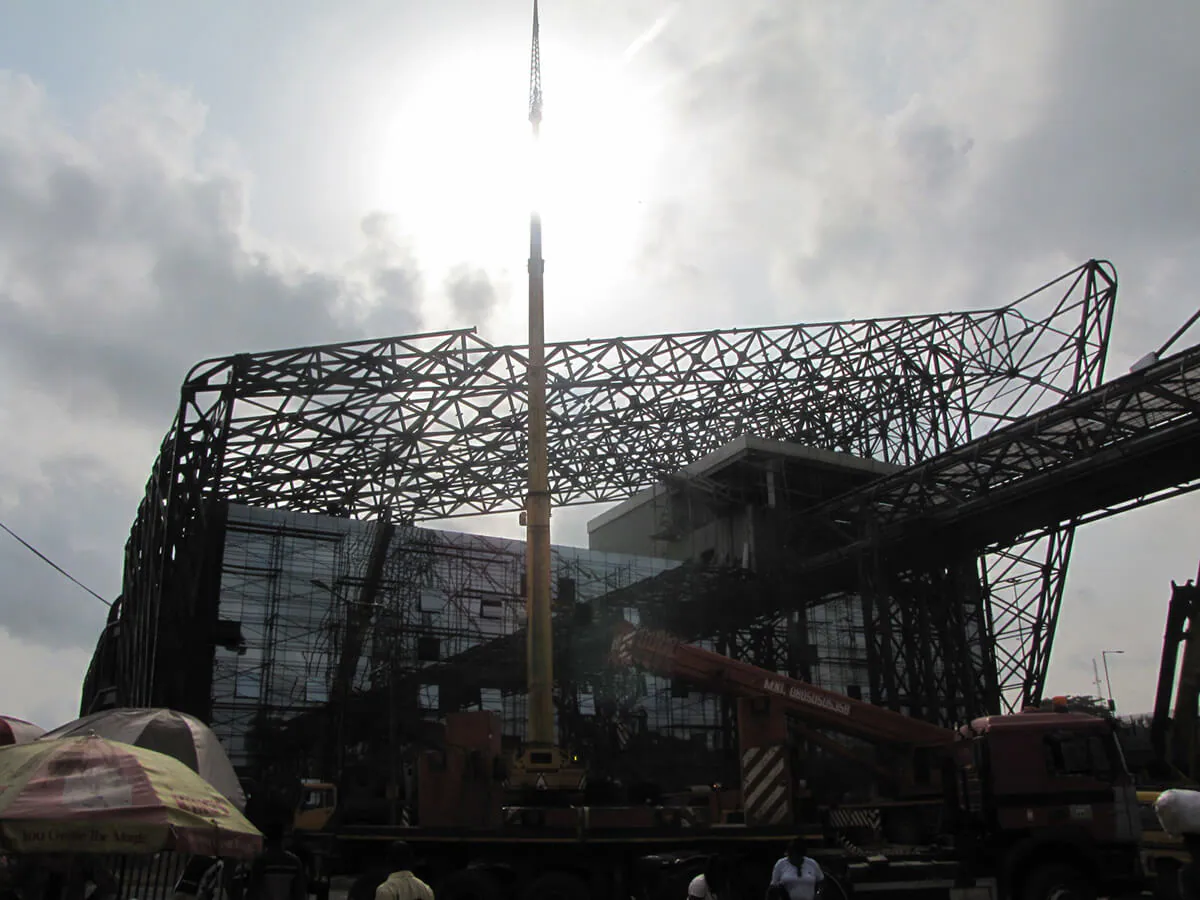
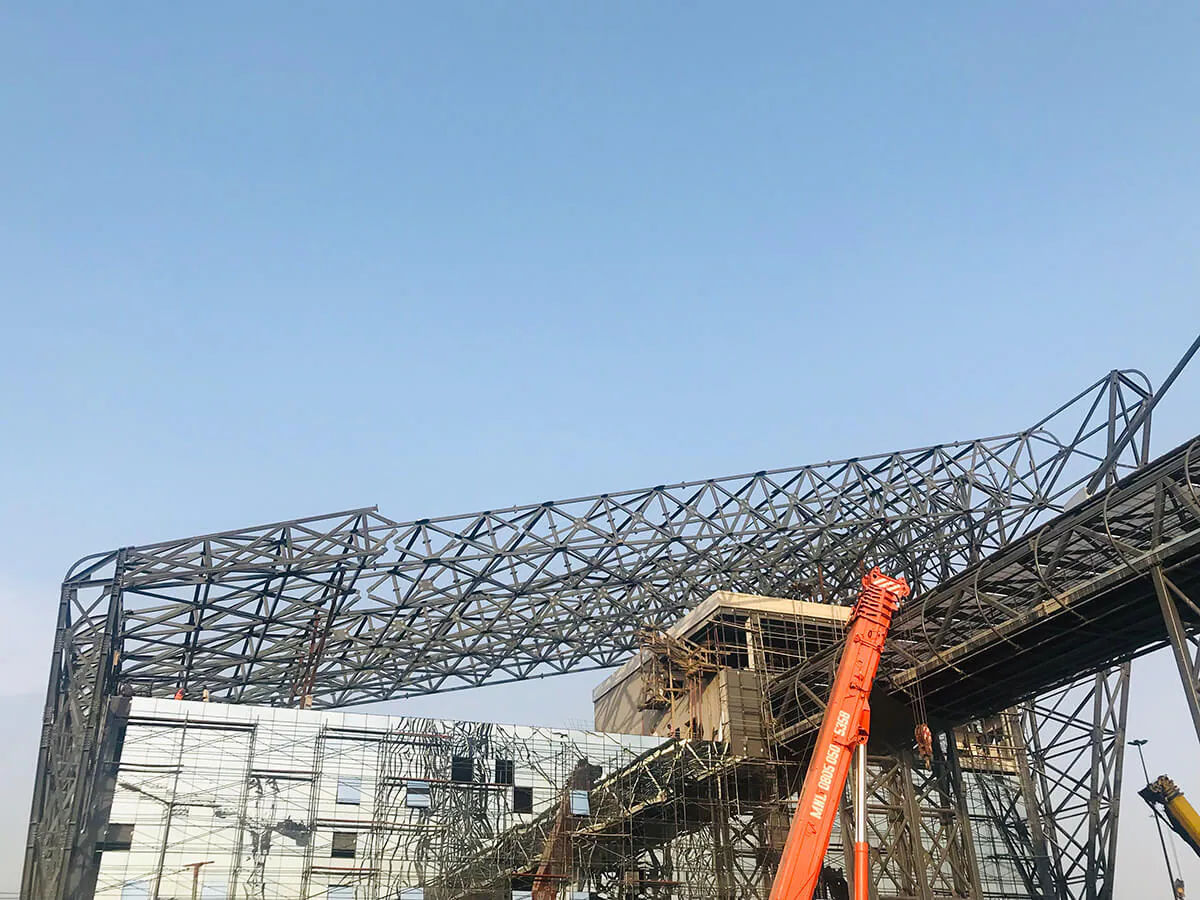
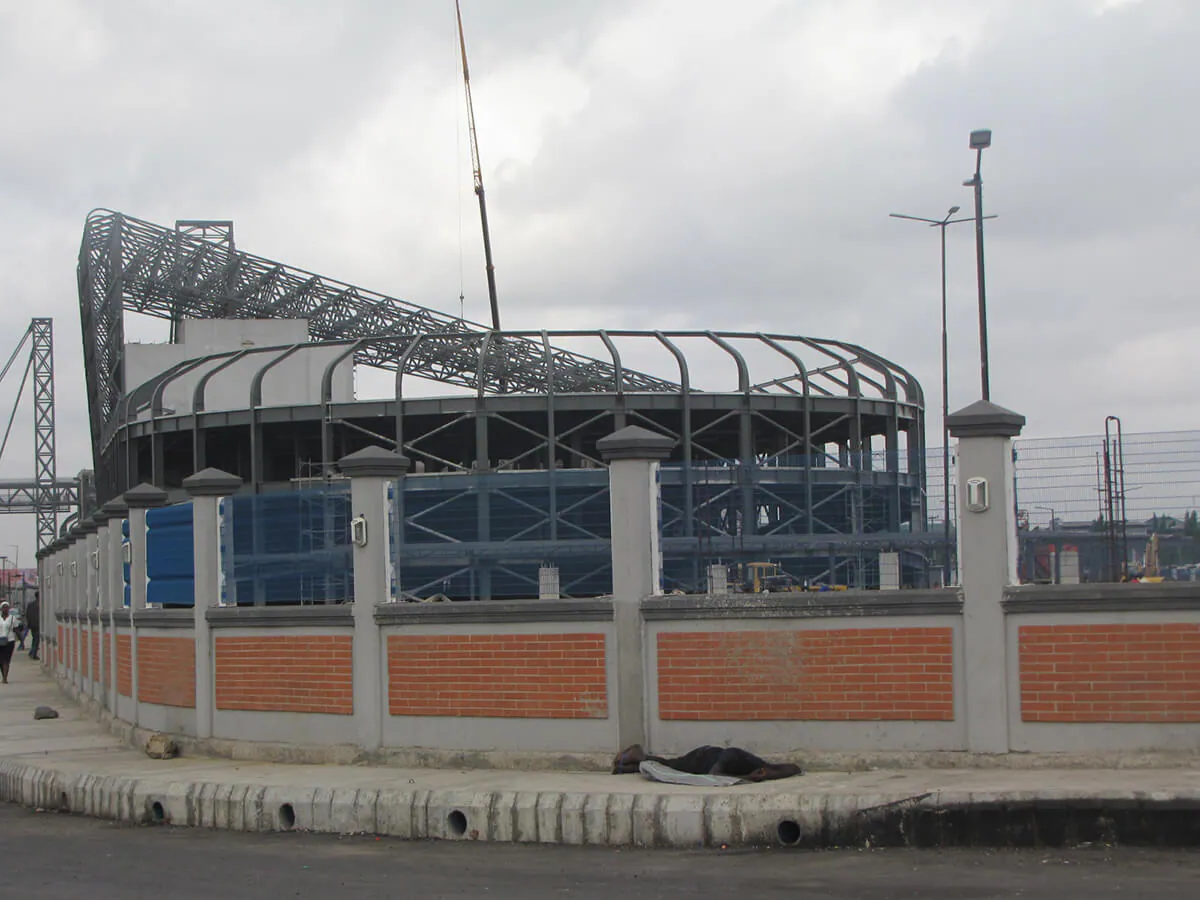
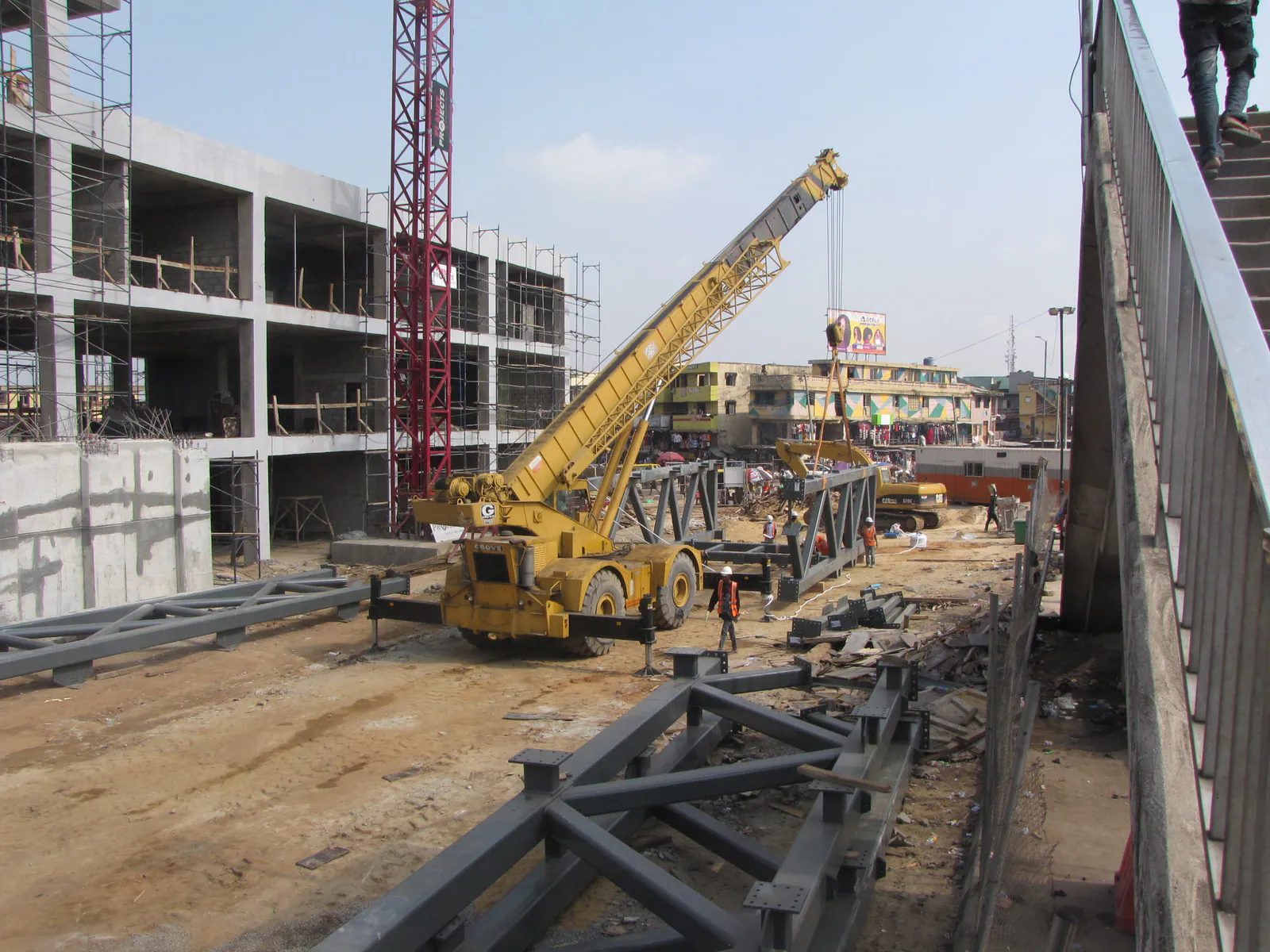
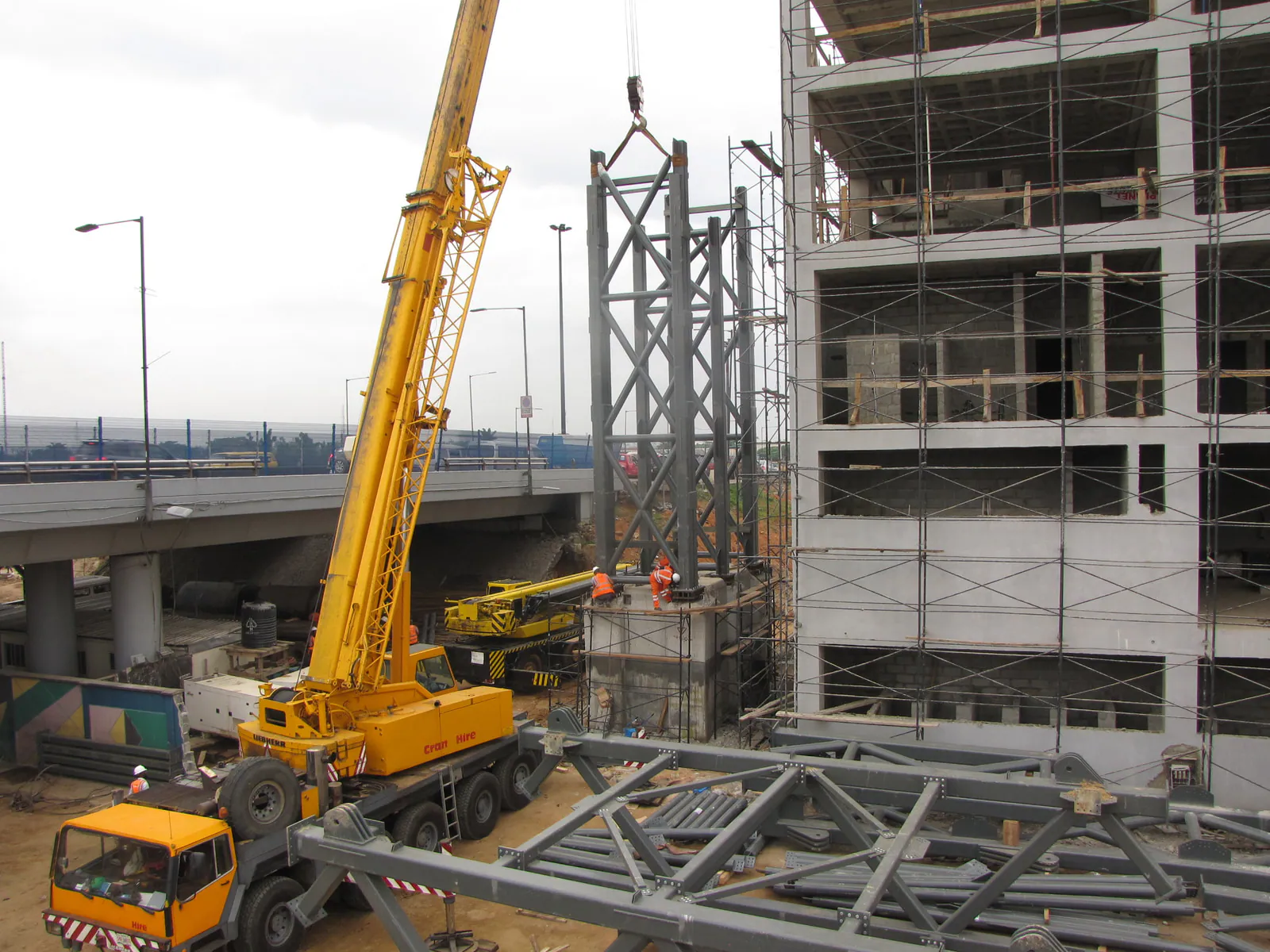
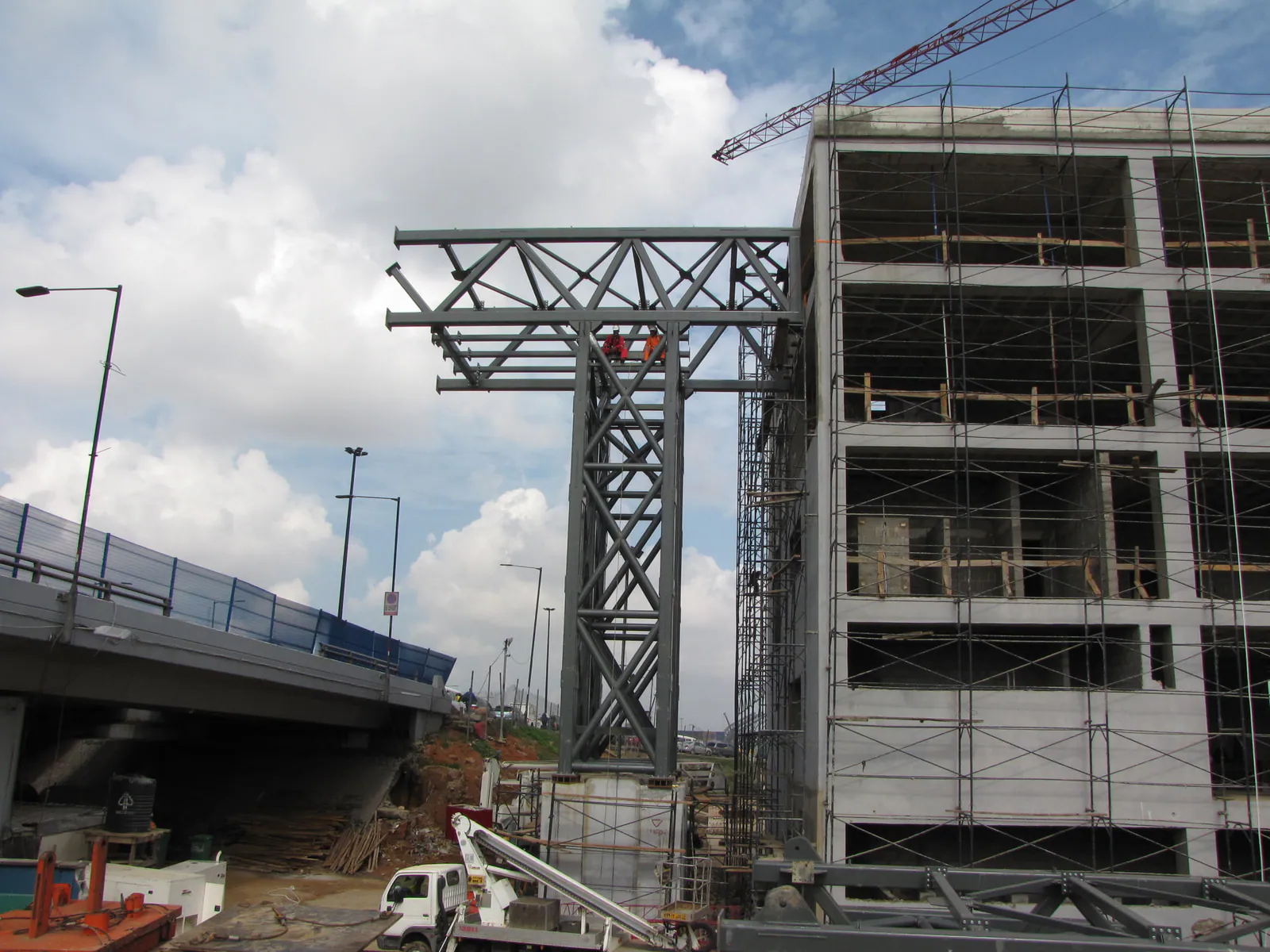
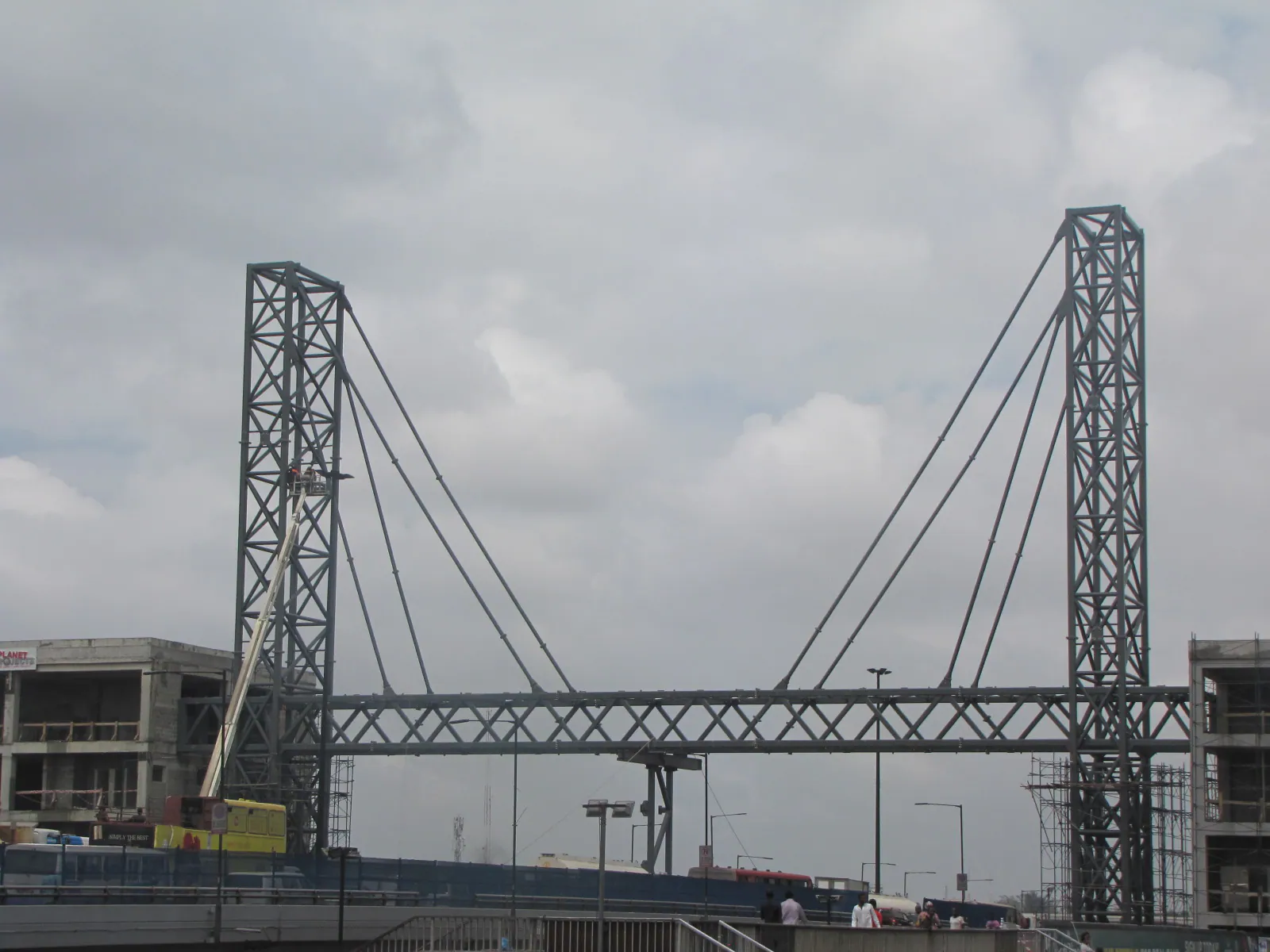
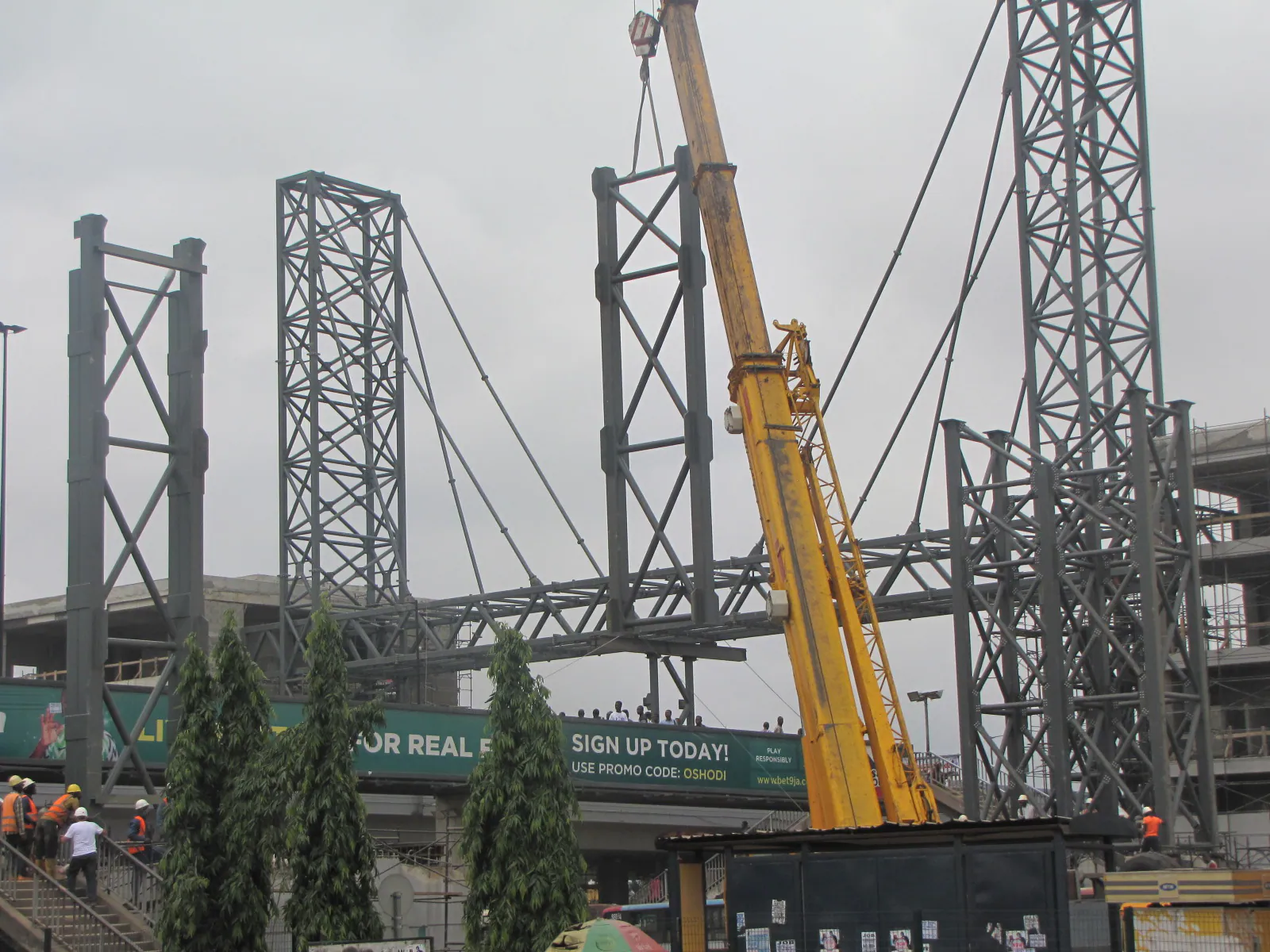
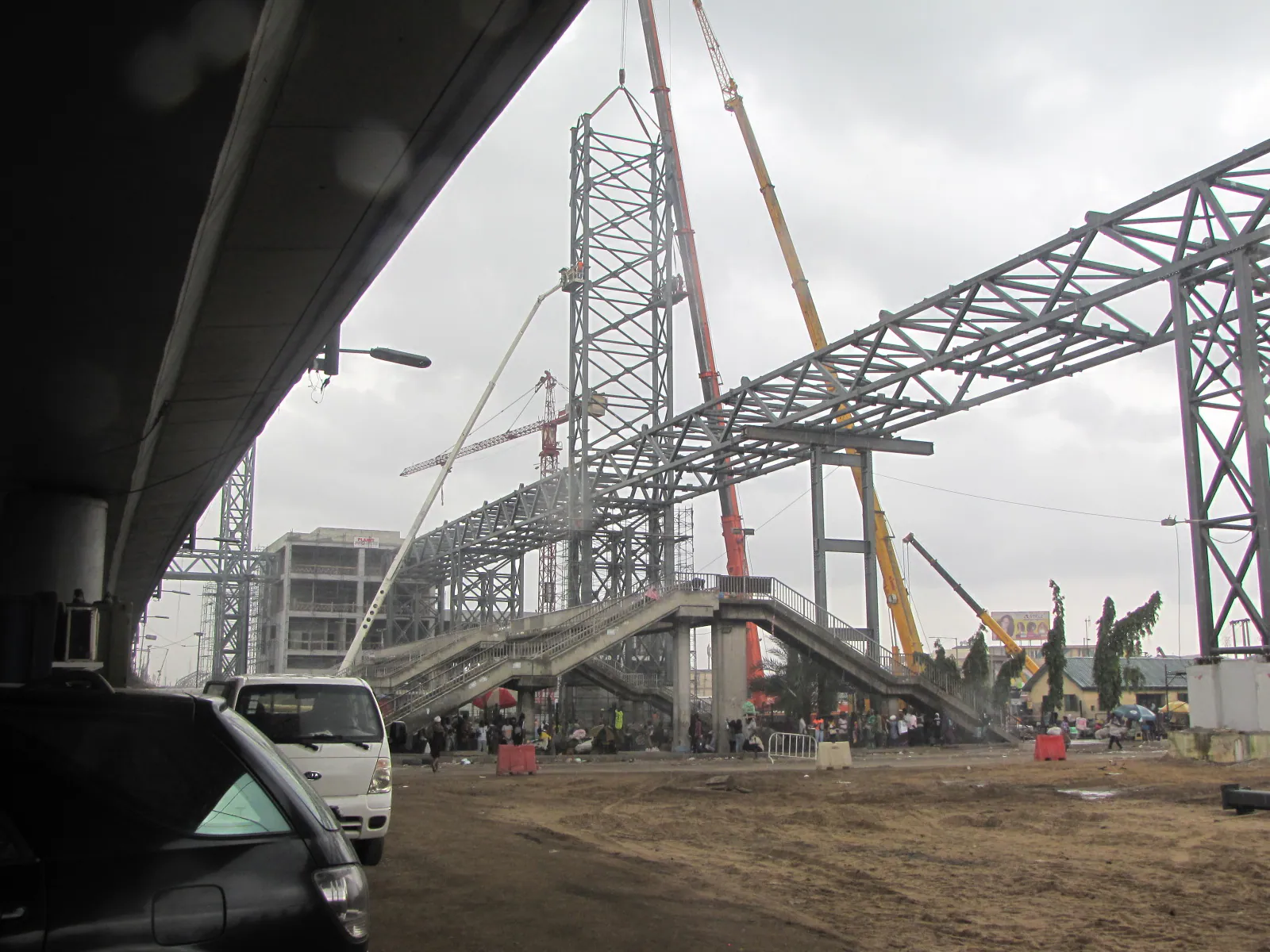
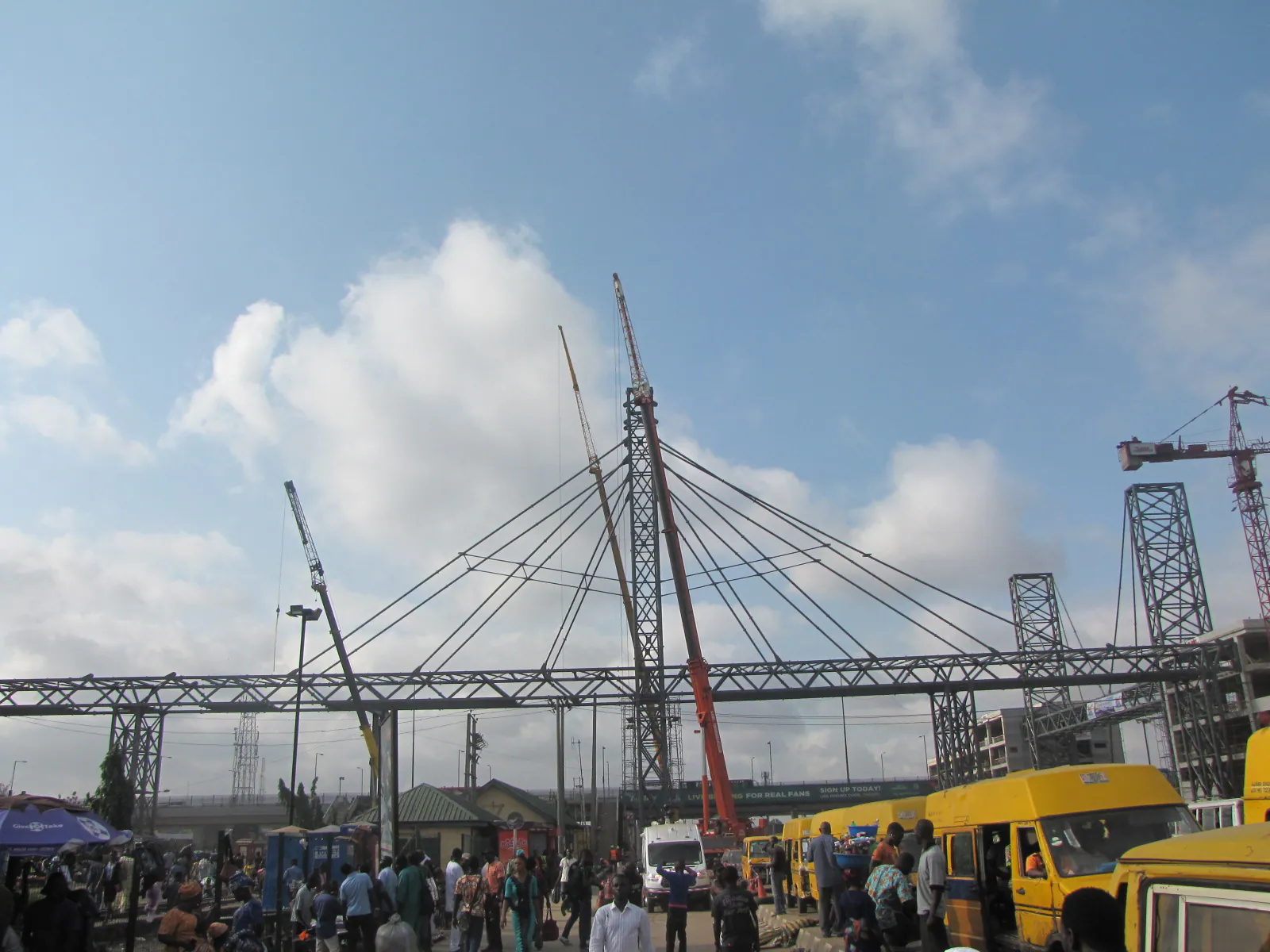
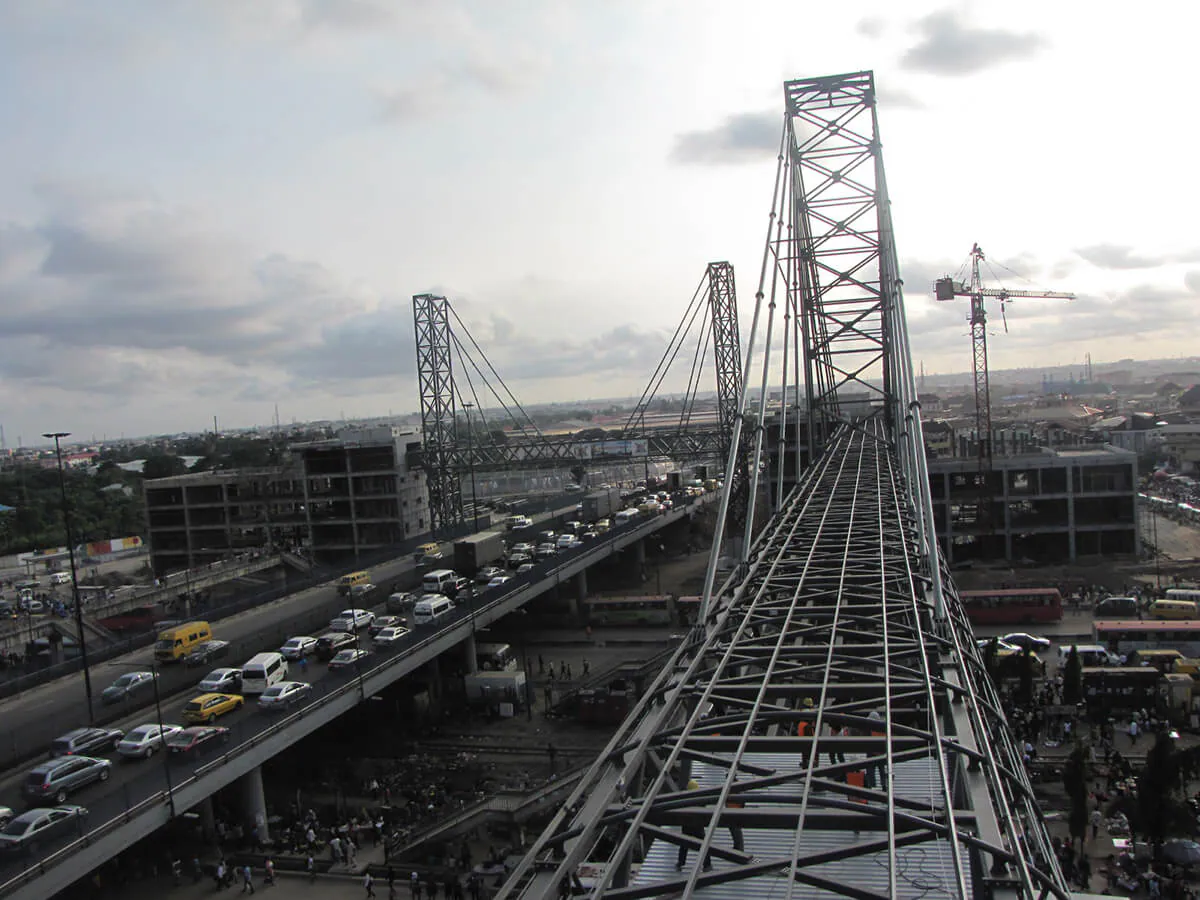
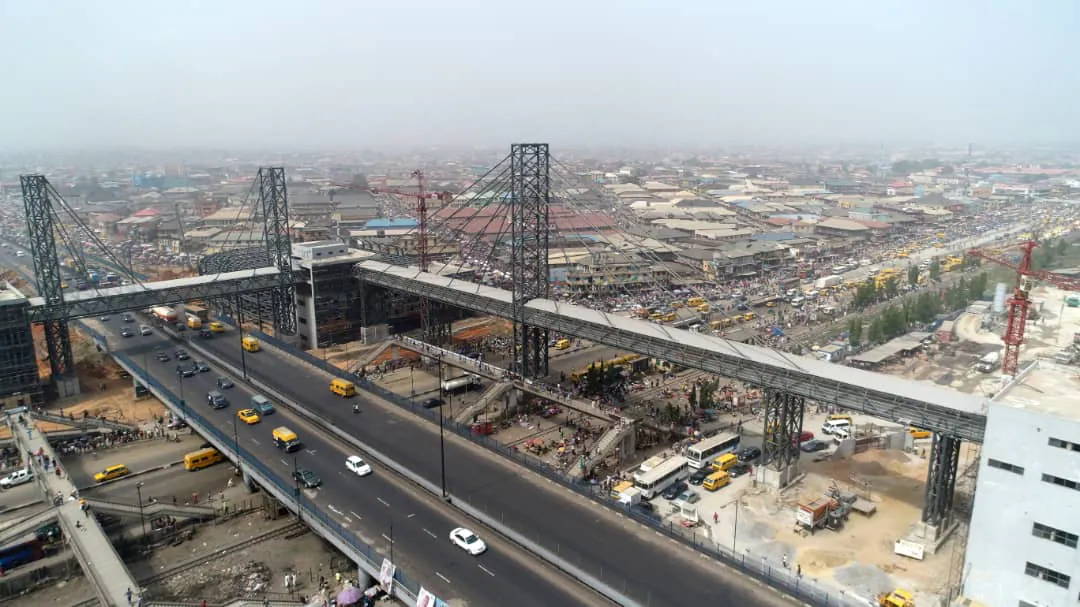
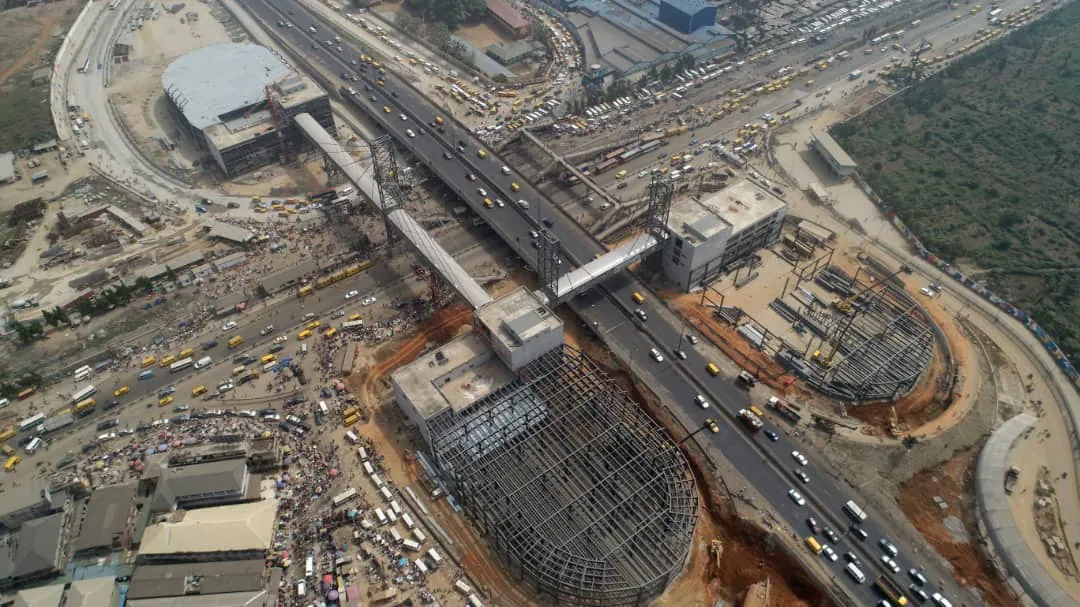
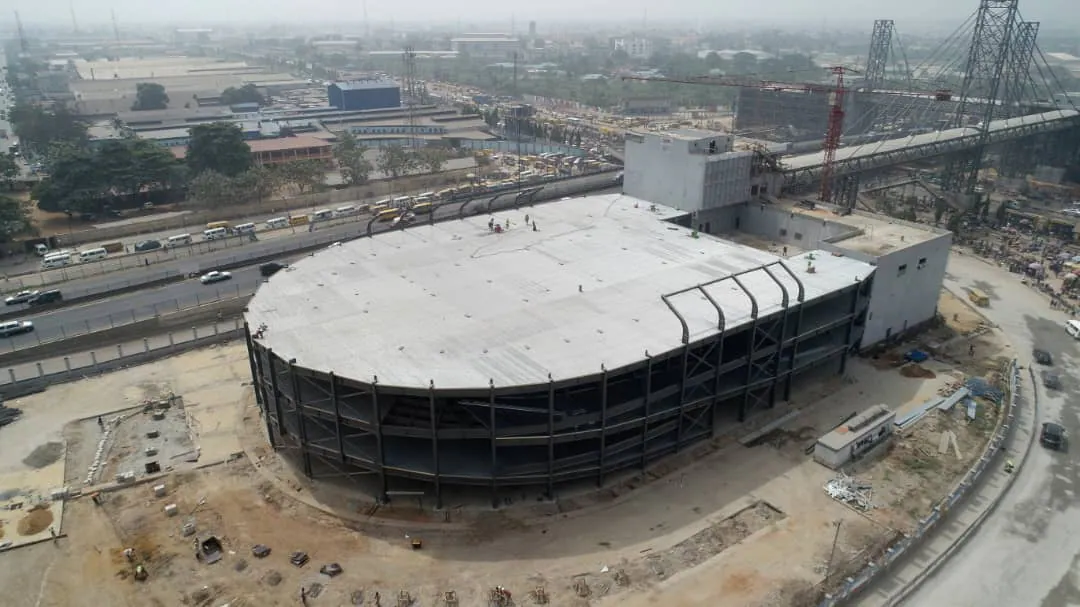
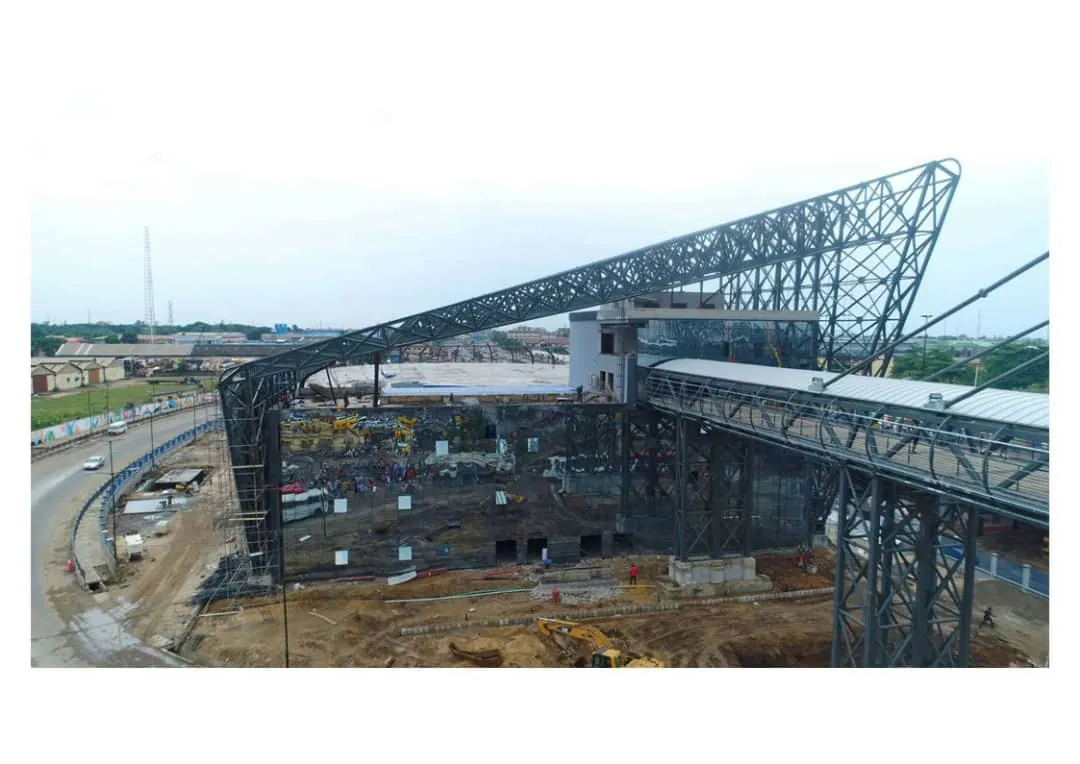
The project brought together three interconnected bus terminals, each covering about 30,000 square metres, with infrastructure designed for roughly 820 mass-transit buses. The overall investment was estimated at US$70 million. And there was a lot of steel involved: about 9,500 tons, according to the project’s engineering presentation. That included large trusses, curved structural sections and elevated pedestrian bridges over busy roads. Just getting those elements into place was a serious undertaking.
The work behind the steel
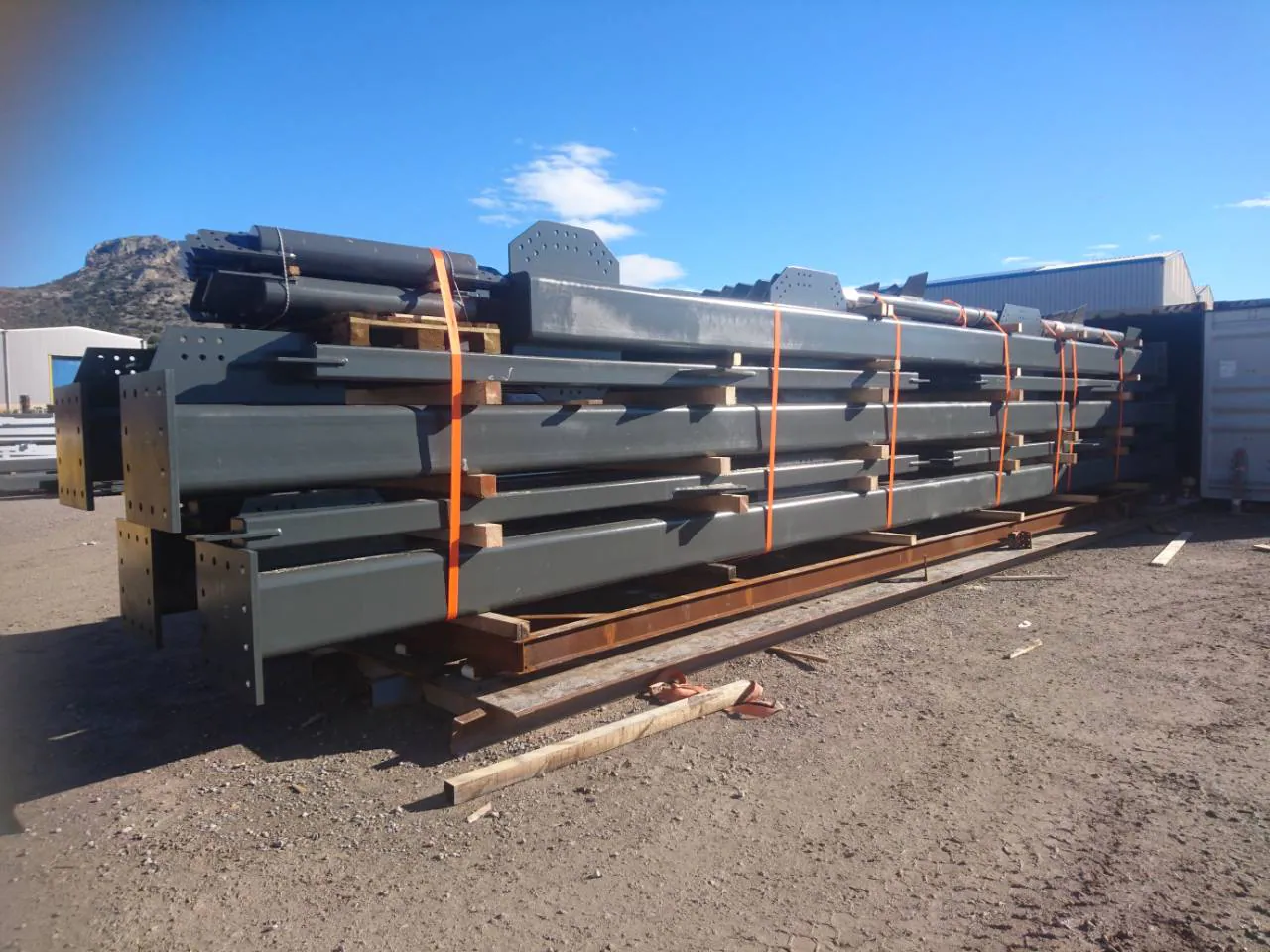
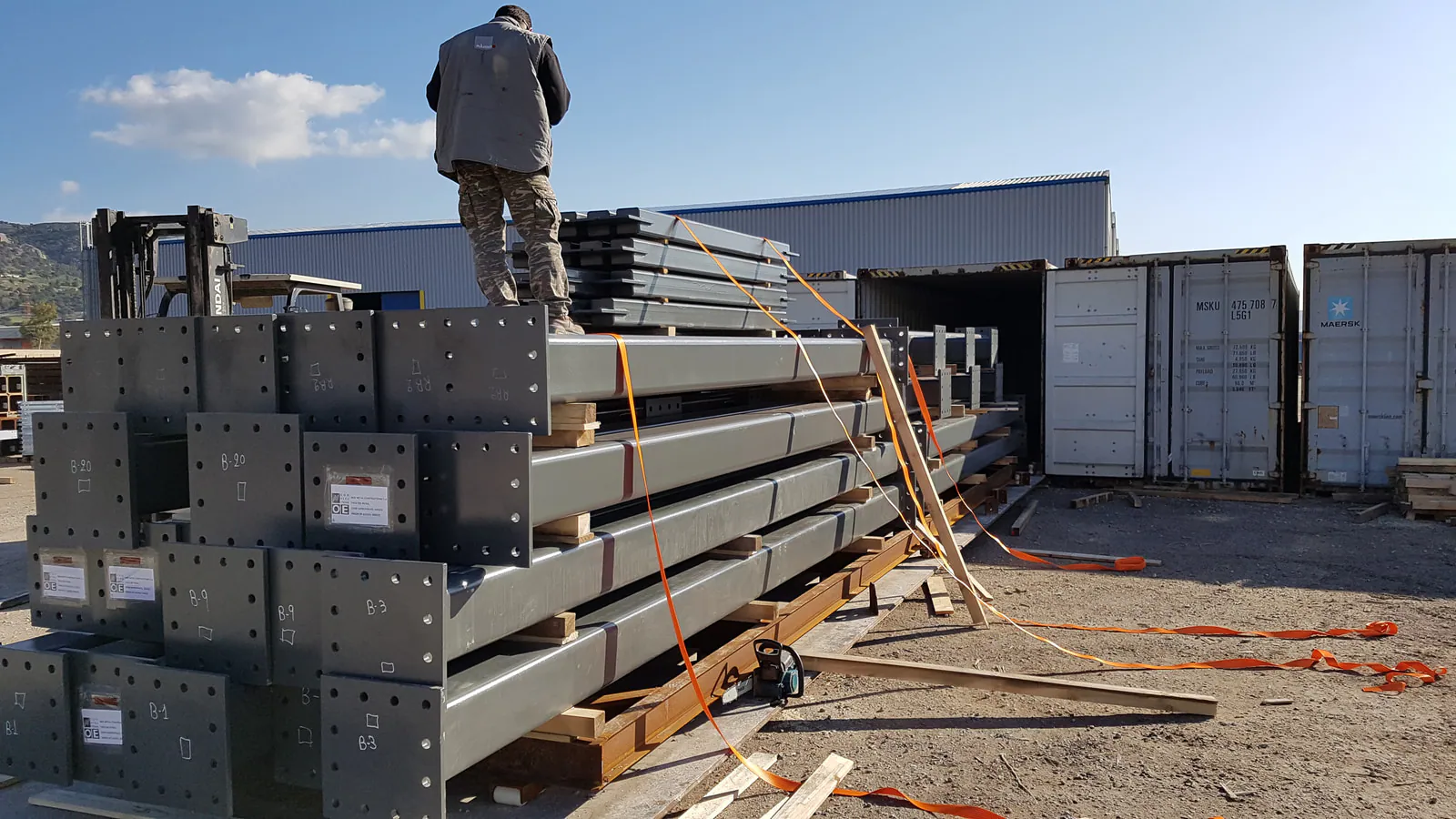
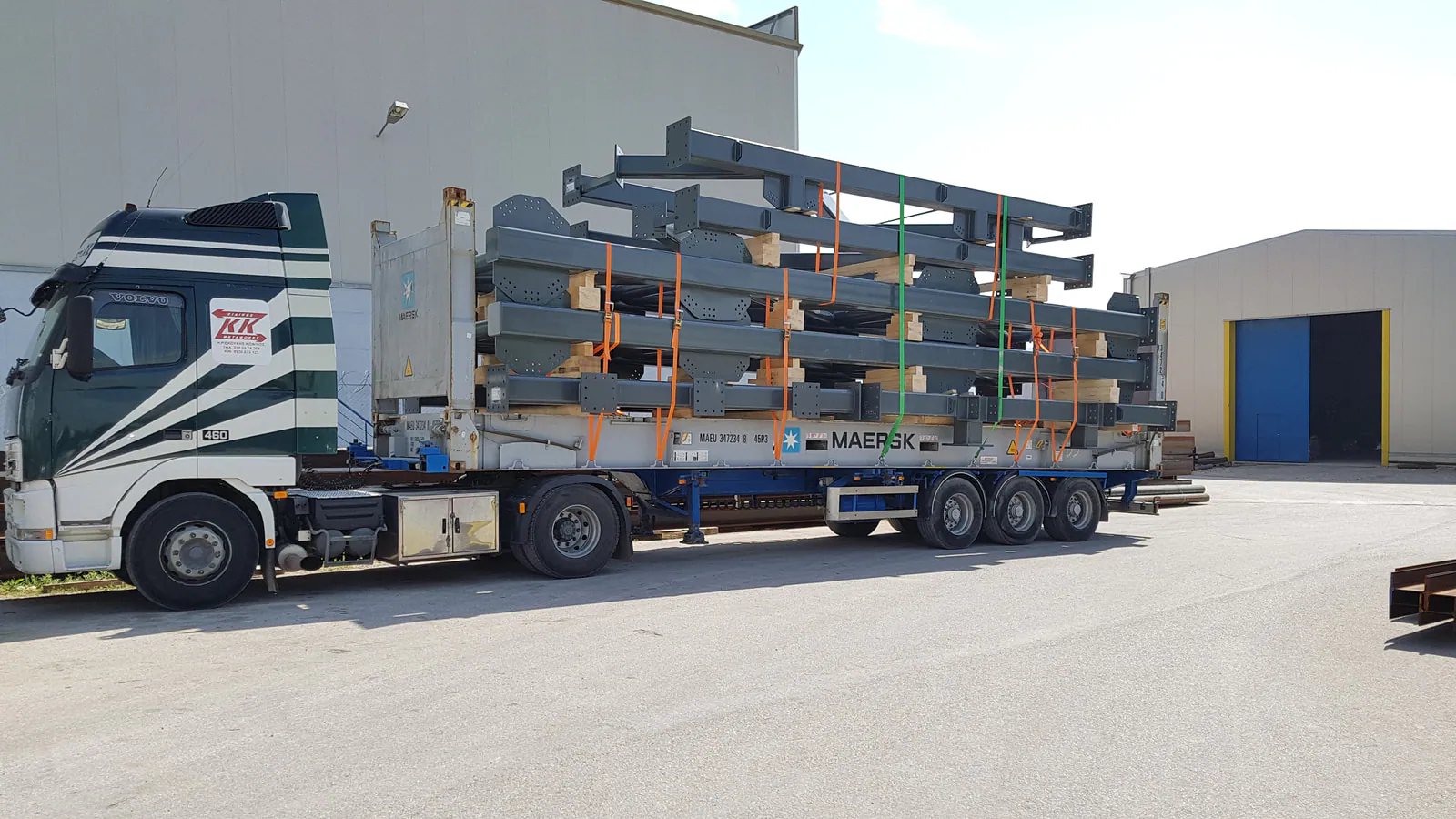
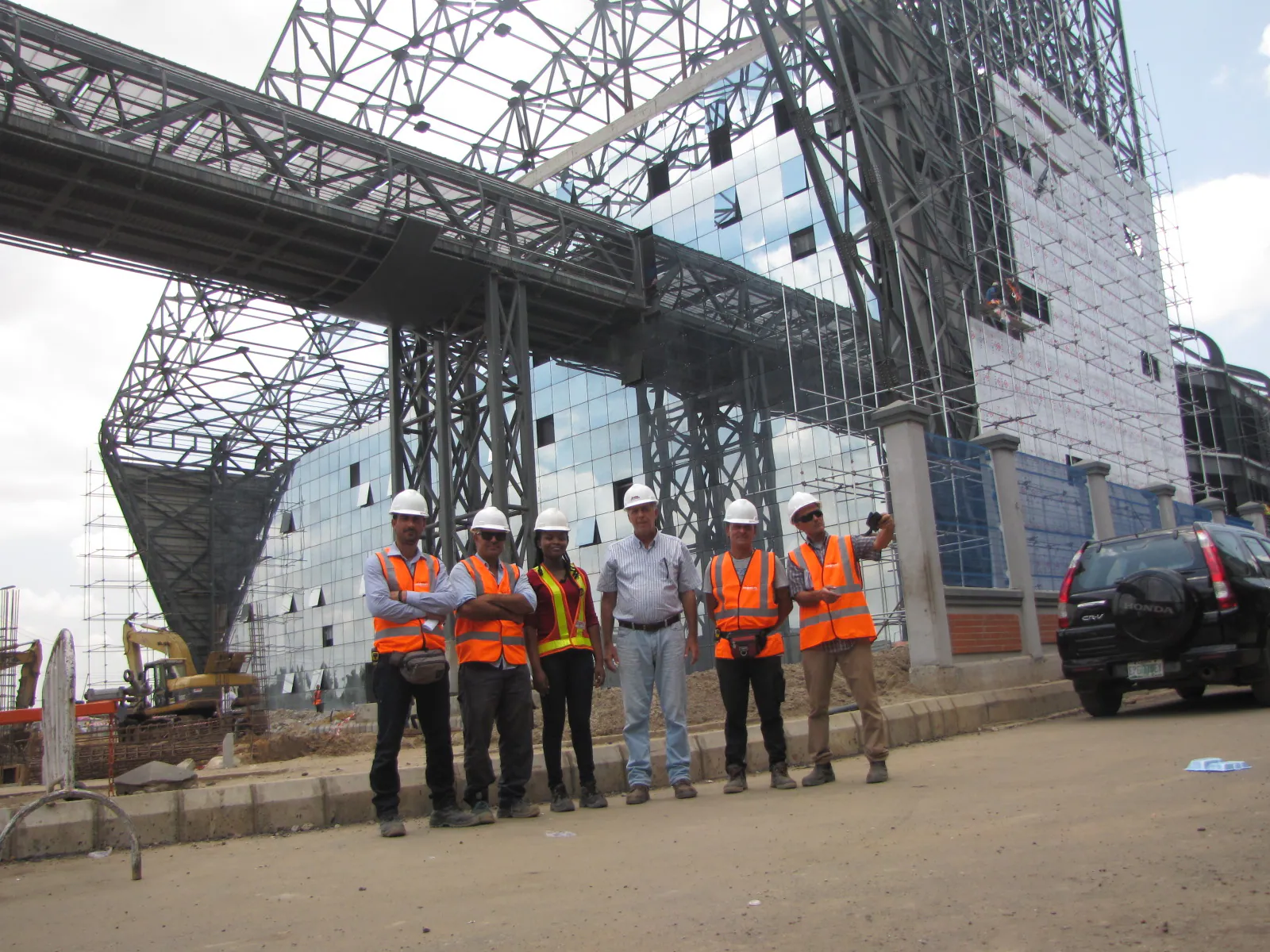
NOE Constructions S.A. contributed to the steel construction work, engineering preparation and transport logistics. For us, the challenge wasn’t only the size of the components. It was working out how they could be packed, shipped, handled and lifted without creating problems later on.
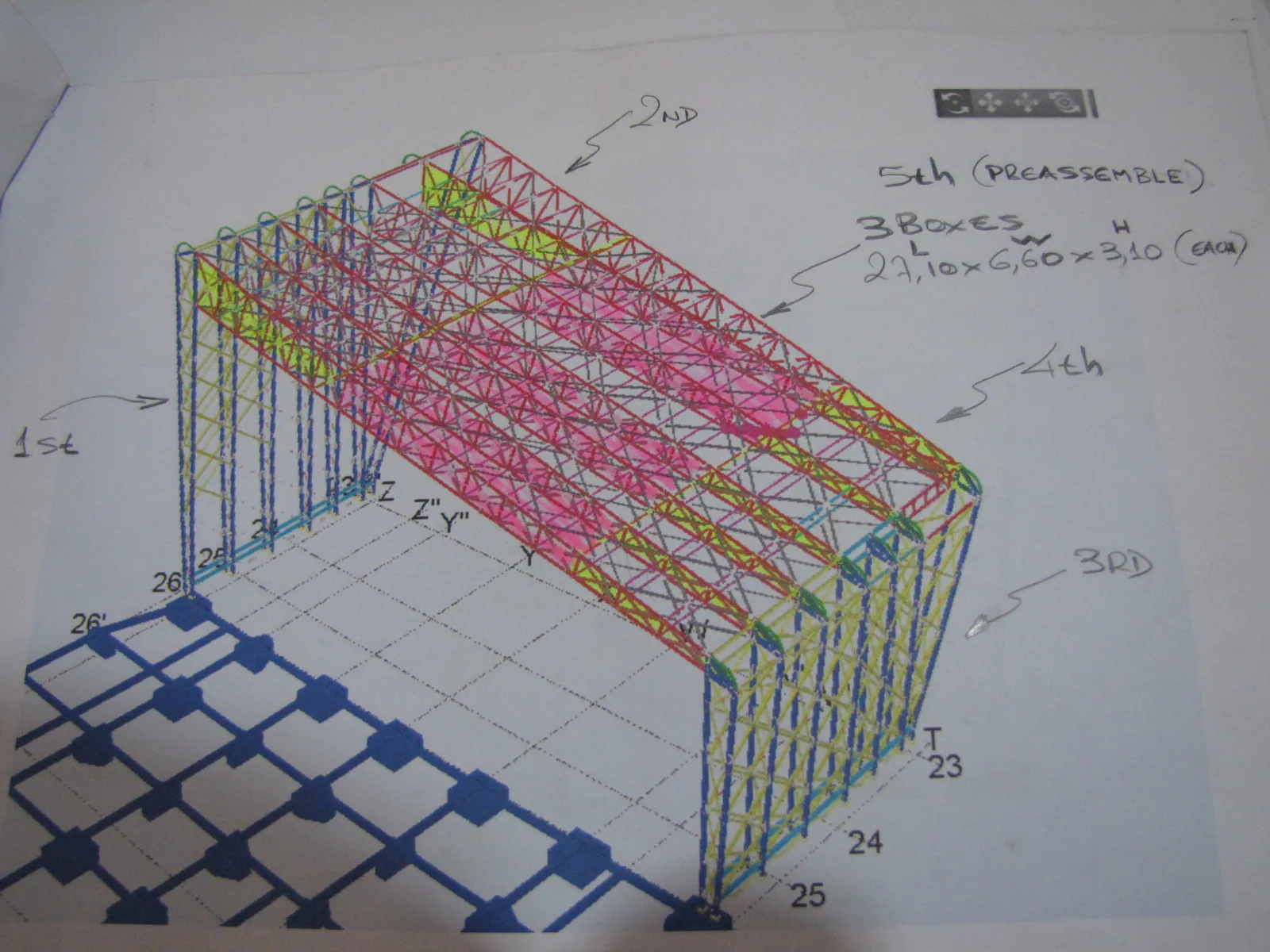
That meant detailed engineering drawings and a modular shipping plan, with a mix of open and closed containers. These may sound like small decisions next to the scale of the project, but they aren’t. A poorly planned shipment can cause trouble long before a piece of steel reaches the crane. In this case, the structures arrived on schedule and without damage, which helped keep assembly moving.
Why the project matters
For people travelling through Oshodi every day, none of that planning is visible. What matters is whether they can find their bus, cross a road safely and get on with their journey. That’s what the redevelopment was meant to improve.
The three terminals brought bus operations into a more organised space. The pedestrian bridges gave people a safer way across busy highways. Dedicated loading bays, waiting areas, ticketing facilities, lighting and security systems were also built into the plan. Together, these changes were designed to make the area easier to use and to support the wider renewal of Oshodi.
NOE’s part was one piece of a much bigger project, and it’s worth keeping that in perspective. Still, there’s something satisfying about the practical side of it: the drawings, the packing plan, the deliveries that arrive when they should. Most people using the interchange will never think about those things. They shouldn’t need to.
35 photographs
https://www.noe.gr/en/projects/oshodi-transport-interchange/